
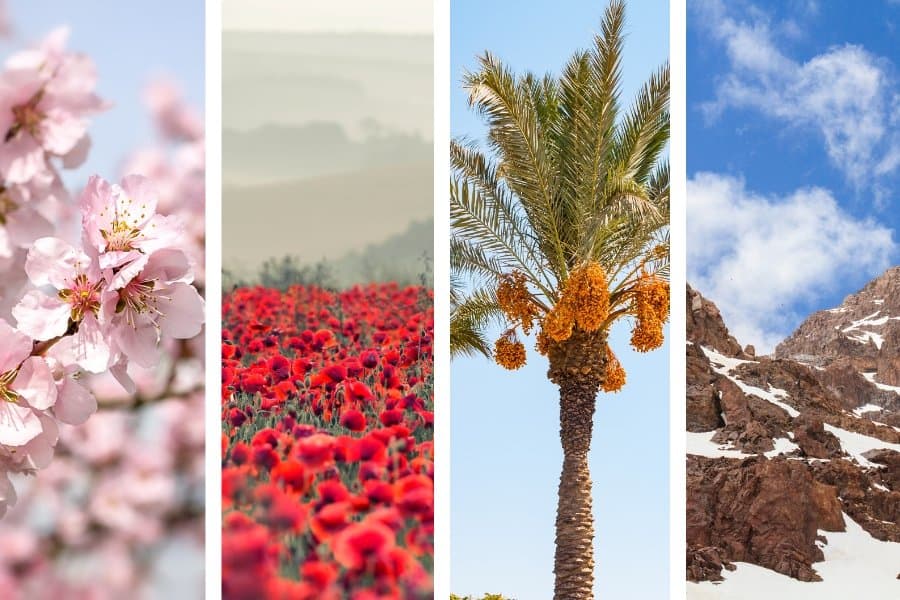
Deciding the best time matters. Spring (March through early June) and autumn (September through December) offer milder days and long sightseeing hours. Pick a season that matches your ideal weather and the regions you want to see.
 Start with seasons, then choose cities, mountains, or desert. Check religious holidays and weekly rhythms. Finally, lock down transport and tickets for the exact dates you want.
Shoulder season often feels like the sweet spot for US travelers who want big days without peak summer heat. Comfort, crowds, and cultural rhythms shift a lot by region, so plan with those differences in mind.
Start with seasons, then choose cities, mountains, or desert. Check religious holidays and weekly rhythms. Finally, lock down transport and tickets for the exact dates you want.
Shoulder season often feels like the sweet spot for US travelers who want big days without peak summer heat. Comfort, crowds, and cultural rhythms shift a lot by region, so plan with those differences in mind.
 This short guide will help you match weather, crowd energy, and must-see spots so your trip runs smoothly. You’ll learn practical timing choices for medinas, mountain day trips, or Sahara nights and know when streets buzz and when tours fill fast.
• Choose spring or autumn for milder conditions.
• Build decisions: seasons → regions → calendars → bookings.
• Shoulder months balance comfort and activity for most visitors.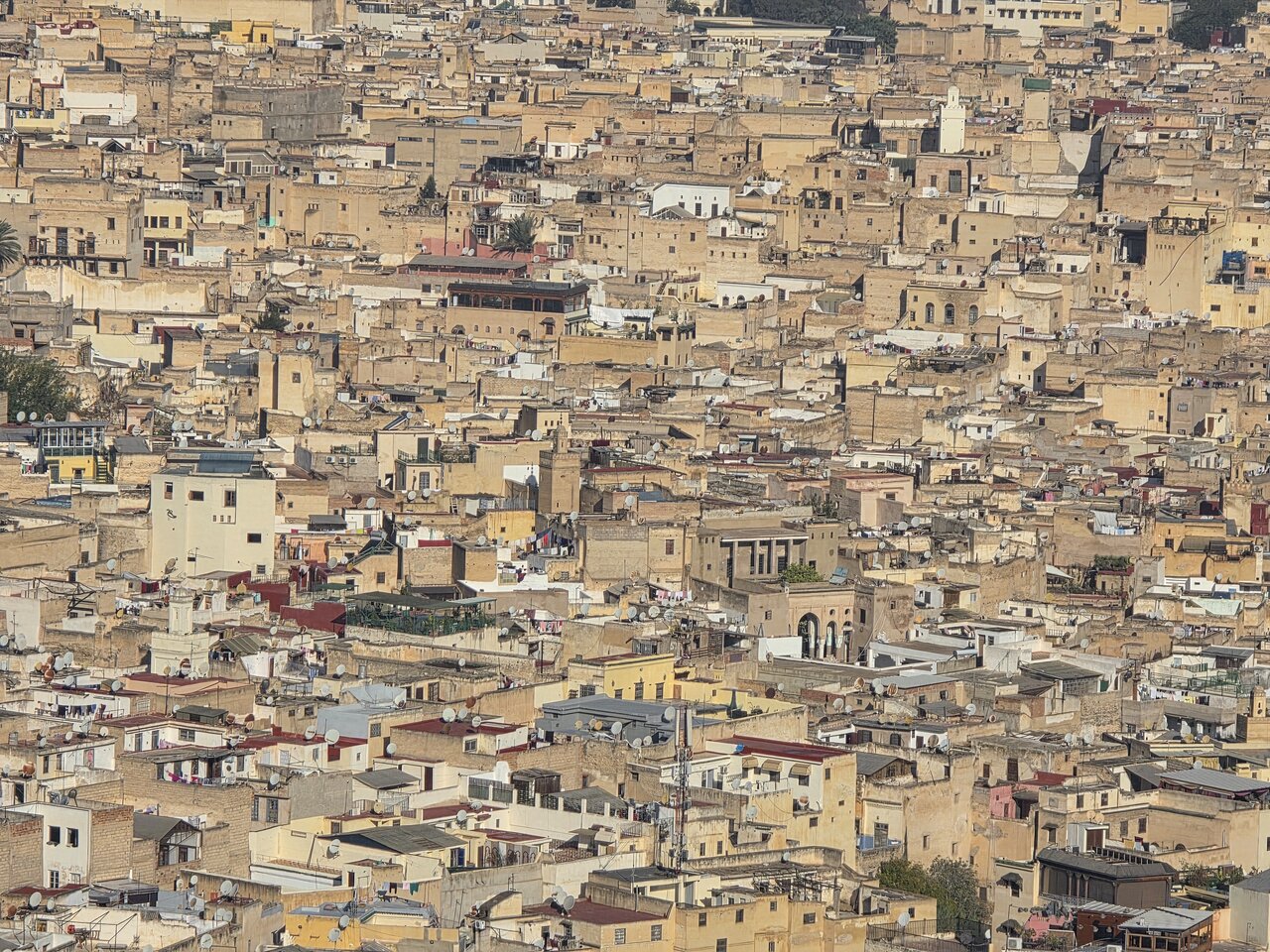 For walking through medinas and long guided tours, aim for mild months. In major cities, mornings and late afternoons are best for sightseeing and market visits.
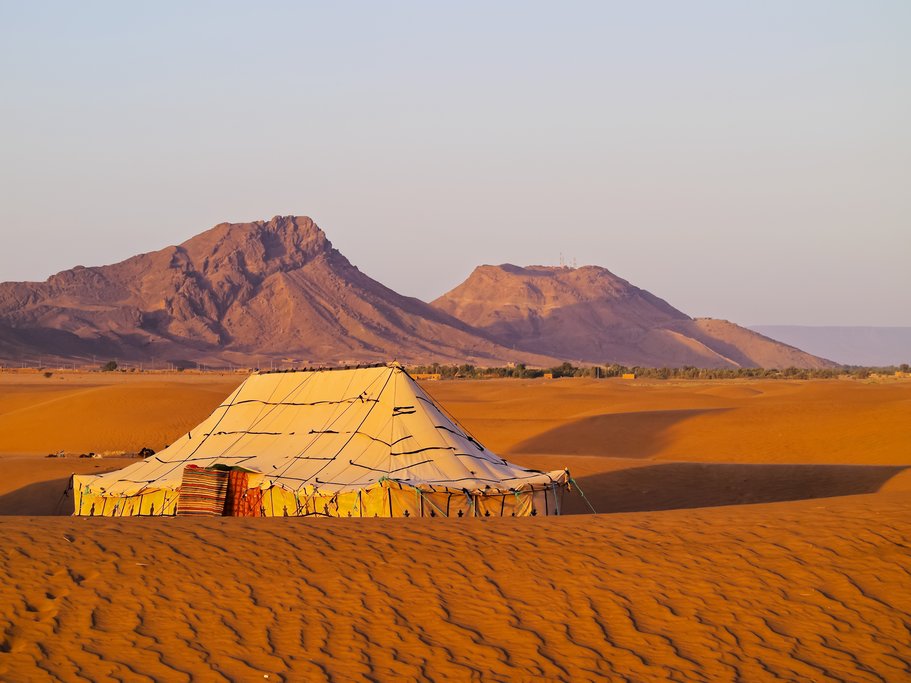 The desert shows dramatic day‑to‑night swings. Daytime sun can feel hot and bright; nights get very cold, so pack layers for camps.
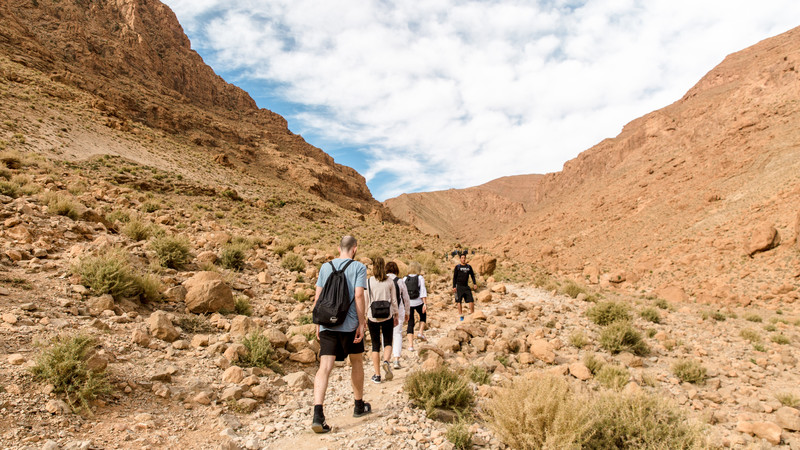 High elevations bring cold spells and snow in winter. Spring and autumn offer clear hiking days and scenic drives through remote areas.
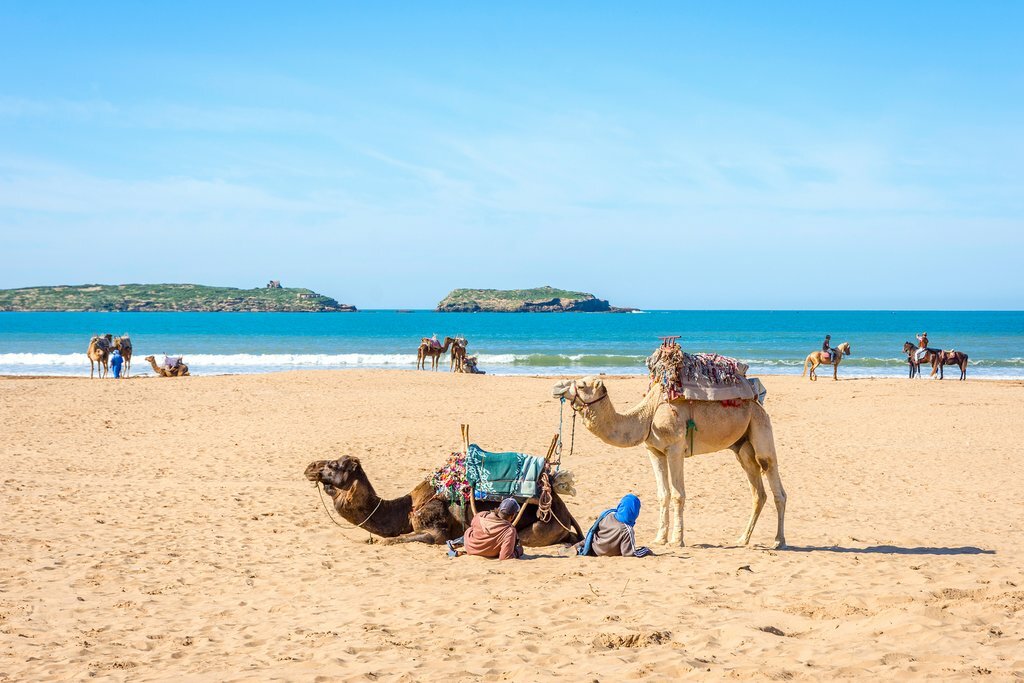 Essaouira provides breezier afternoons and a slower pace than inland places. Use the coast as a cool reset when city days run warm.
Practical: choose when a private car with driver makes sense versus public transit for rural links.
Plan: build a multiple‑region trip morocco style so weather stays comfortable across your week.
Essaouira provides breezier afternoons and a slower pace than inland places. Use the coast as a cool reset when city days run warm.
Practical: choose when a private car with driver makes sense versus public transit for rural links.
Plan: build a multiple‑region trip morocco style so weather stays comfortable across your week.
• Check dates: see if your trip overlaps Ramadan or Eid—this affects the local culture and daily hours.
• Plan meals: identify hotels, tourist-friendly restaurants, or neighborhoods where daytime dining stays available.
• Be flexible: treat Fridays as a sensitive schedule day and build backup activities for a quiet place or afternoon market.
• Choose your vibe: decide whether you want quieter days or the full tourist buzz before you commit to flights.
• Respect and safety: use cultural awareness as a comfort and safety tool—discreet behavior during fasting hours goes a long way.
• Quick use: pick months by activity — hiking, medina walks, or starry desert nights.
• Tip: May and April often balance sun and comfort for most travelers.
• Practical: if heat bothers you, avoid June–August in big cities and shift toward higher altitudes or coastlines.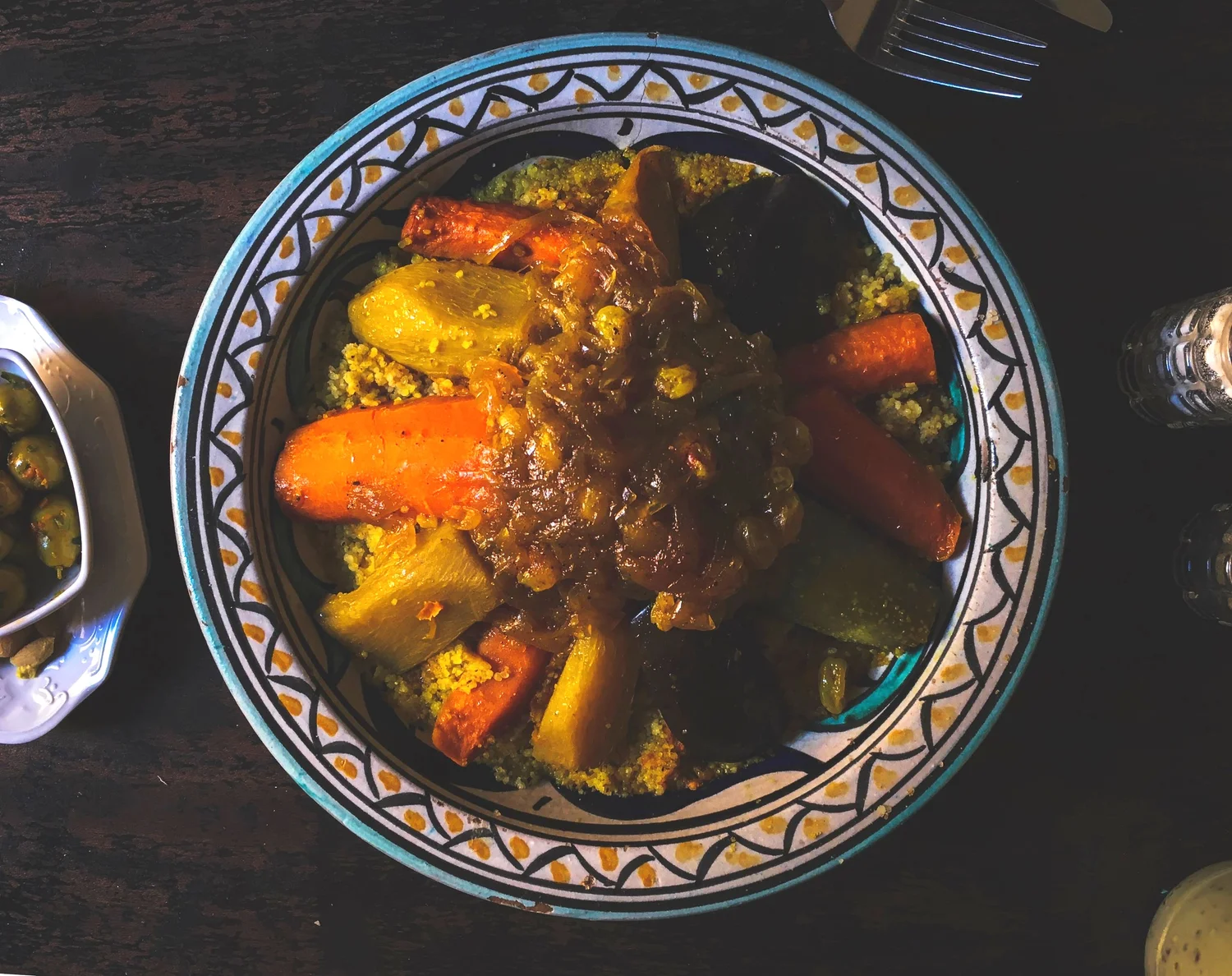 Tap water is not safe for visitors; use sealed bottles or a good filter. Carry tissues and hand gel—many public restrooms lack toilet paper. Pick busy eateries and time meals for fresh turnover to cut stomach risk.
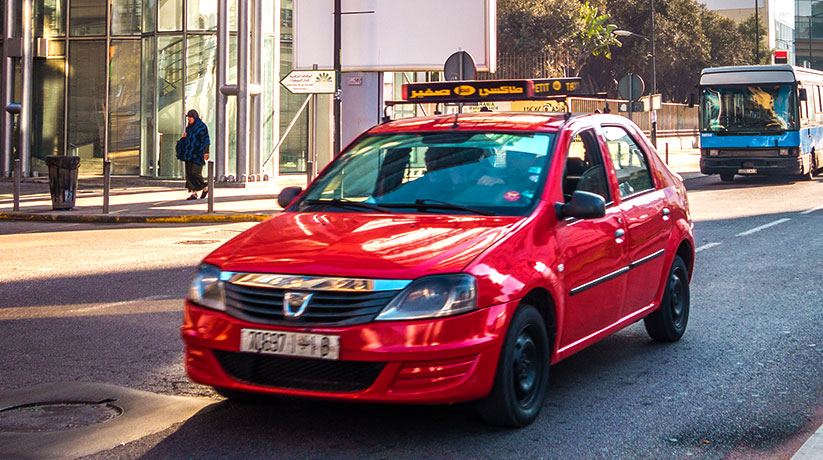 The local currency is the Moroccan dirham (Dh) and rural areas run on cash. Keep small notes for shops, taxis, and tips; cards work in bigger hotels and restaurants. Insist on the meter for short rides and watch seatbelt realities in some taxis.
Safety: avoid photographing government or military sites and don’t operate a drone without permission.
Etiquette: eat with your right hand and ask before taking someone’s photo.
The local currency is the Moroccan dirham (Dh) and rural areas run on cash. Keep small notes for shops, taxis, and tips; cards work in bigger hotels and restaurants. Insist on the meter for short rides and watch seatbelt realities in some taxis.
Safety: avoid photographing government or military sites and don’t operate a drone without permission.
Etiquette: eat with your right hand and ask before taking someone’s photo.
Start with seasons, then choose cities, mountains, or desert. Check religious holidays and weekly rhythms. Finally, lock down transport and tickets for the exact dates you want.
Shoulder season often feels like the sweet spot for US travelers who want big days without peak summer heat. Comfort, crowds, and cultural rhythms shift a lot by region, so plan with those differences in mind.
This short guide will help you match weather, crowd energy, and must-see spots so your trip runs smoothly. You’ll learn practical timing choices for medinas, mountain day trips, or Sahara nights and know when streets buzz and when tours fill fast.
• Choose spring or autumn for milder conditions.
• Build decisions: seasons → regions → calendars → bookings.
• Shoulder months balance comfort and activity for most visitors.
Understand Morocco’s Seasons and Why Shoulder Season Works Best
Choosing the right season makes medina walks, gardens, and rooftop dinners far more enjoyable. Mid-seasons—spring and autumn—offer mild days and long daylight hours, which helps you see more and rest less.Spring: March to early June
Spring often brings sunny days, blue skies, and cooler mornings. May is a great month for a relaxed trip with comfortable sightseeing and fewer sweltering afternoons.Fall: September to December
Autumn gives steady, comfortable weather across many regions. You’ll find hotels less crowded and markets easier to navigate than in peak summer.Summer heat and city limits
June through September can make major cities intensely hot. Plan early starts, long midday breaks indoors, and shorter walking loops.Winter: city crispness vs mountain cold
Winters are crisp in urban centers but can be cold and snowy in highlands; places like Ifrane even offer skiing at night and day. Why shoulder season: balance of comfort and fewer peak crowds for most tourists. Packing tip: layer for cool mornings and warmer afternoons. Planning tip: set your dates by the regions you want to explore; it’s the best way.Match Your Dates to the Region You’ll Visit
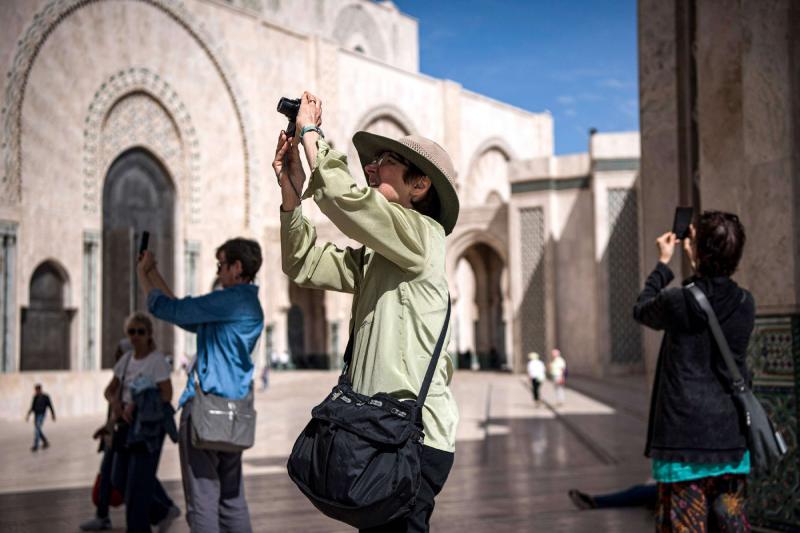
Align your schedule with the area's seasons—cities, desert, mountains, and coast all differ. Pick dates based on the actual destinations you plan to see rather than one ideal month for the whole country.Major cities and medinas like Marrakesh, Fez, and Rabat
For walking through medinas and long guided tours, aim for mild months. In major cities, mornings and late afternoons are best for sightseeing and market visits.
The Sahara Desert and Merzouga
The desert shows dramatic day‑to‑night swings. Daytime sun can feel hot and bright; nights get very cold, so pack layers for camps.
The High and Middle Atlas Mountains
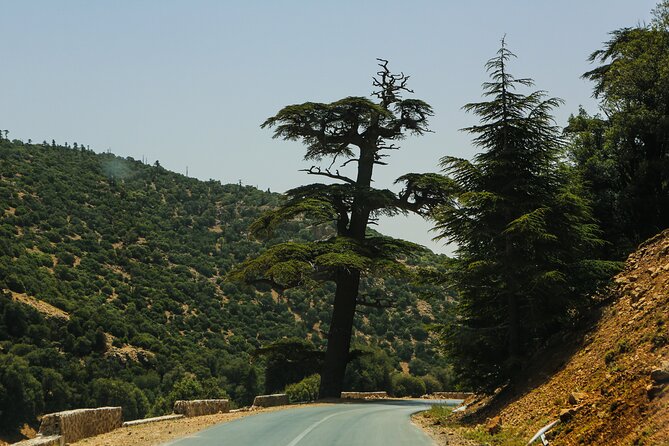
High elevations bring cold spells and snow in winter. Spring and autumn offer clear hiking days and scenic drives through remote areas.
Coastal destinations like Essaouira
Essaouira provides breezier afternoons and a slower pace than inland places. Use the coast as a cool reset when city days run warm.
Practical: choose when a private car with driver makes sense versus public transit for rural links.
Plan: build a multiple‑region trip morocco style so weather stays comfortable across your week.
Factor in Ramadan, Eid, and Local Opening Hours Before You Book
Before you book, note which dates could alter shop hours and street energy. Ramadan follows a lunar calendar, so dates shift each year. During that period you may see quieter streets, fewer daytime meal options, and shortened business hours. There are no formal restrictions on visitors, but the public rhythm changes.
Friday is a weekly pause: many shops and services close or slow down for prayers and family time. Confirm opening times before planning an active day that depends on attractions or tours.• Check dates: see if your trip overlaps Ramadan or Eid—this affects the local culture and daily hours.
• Plan meals: identify hotels, tourist-friendly restaurants, or neighborhoods where daytime dining stays available.
• Be flexible: treat Fridays as a sensitive schedule day and build backup activities for a quiet place or afternoon market.
• Choose your vibe: decide whether you want quieter days or the full tourist buzz before you commit to flights.
• Respect and safety: use cultural awareness as a comfort and safety tool—discreet behavior during fasting hours goes a long way.
Month-by-Month Decision Guide for US Travelers
Match months with your comfort level for heat, crowds, and outdoor hours. Use this short guide to pick dates that suit your tolerance for sun, your interest in mountains or desert nights, and how much time you want outdoors.March and April
Why go: pleasant weather and popular windows for first-time travelers. Days are mild and walking in medinas feels easy. This is a top pick for US travelers who want classic city walks and day trips.May
Blue skies and long sightseeing hours make May tempting. Expect higher temps by the month's end, especially in Marrakesh, so plan early starts and shaded breaks.June through August
Heat peaks; plan your time around cooler mornings. Use museums, riads, and hammams in the middle of the day. Major cities can be intense, so slow the pace.September and October
Classic autumn months for multi-city routes. You’ll find comfortable weather and easier region-hopping across coastal, mountain, and inland spots.November and December
Fewer tourists and cooler evenings make this a cozy option. Hotels and tours are easier to book and the quieter side of the world feels welcoming.January and February
Choose these months for mountain-focused plans, cold nights, and possible snow — a great change of pace at the end of winter.• Quick use: pick months by activity — hiking, medina walks, or starry desert nights.
• Tip: May and April often balance sun and comfort for most travelers.
• Practical: if heat bothers you, avoid June–August in big cities and shift toward higher altitudes or coastlines.
When to travel to Morocco? Choose Based on Your Trip Style
Decide by the kind of days you want. Think about pace, weather comfort, and whether you prefer structured help like a local guide. If you plan varied stops, pick months that let city walks and day trips feel easy.For first-time visitors who want a mix of cities, culture, and day trips
If this is your first visit, aim for spring or fall. Those seasons balance sightseeing comfort and long daylight hours. A driver or licensed guide can simplify museum runs and remote day trips.For desert nights and bucket-list experiences
Book months when camps feel comfortable. Nights can be cold and days hot, so pack layers. Arrange transfers and a trusted driver for desert routes and camel treks to avoid surprises.For families who want predictable pacing
Families benefit from milder weather and steady daylight. Choose hotels with easy meal options and plan shorter daily legs. Build naps and downtime into each day.For solo women travelers prioritizing comfort and support
Solo women should favor months with comfortable temperatures and well-reviewed accommodations. Use airport transfers, verified guides, and clear routes after dark for added confidence. Tip: Match timing to your energy level and book a guide or driver when logistics matter most. Pack: layers for desert swings and reliable footwear for medina streets.Plan Timing Around Crowds, Tickets, and Transportation
Plan major bookings early so peak days don’t eat your schedule. Prebook popular attractions in Marrakesh — especially Jardin Majorelle and Musée Yves Saint Laurent — to skip long queues and keep your day productive. Train and bus timing matters. Morocco’s train network (including the Al Boraq high-speed line) is reliable, and buses run frequent routes. Book train and bus tickets one or two days ahead for the departure times you want.Chefchaouen and return bus notes
Chefchaouen is a special case: return buses can sell out during school holidays. If your dates fall in a busy window, secure seats early or have a backup ride ready.When a private driver or guides save time
Complex sites like Volubilis often need multi-step logistics. A private driver or licensed guides cut transfer stress and speed up a multi-leg day tour. Anchor reservations: lock key tickets and core transit legs first. Match transport to season: peak months bring fuller trains and buses and less flexible price points. Carry backups: keep alternate bus times or a driver contact for sold-out runs.Comfort, Culture, and Safety Tips That Change With the Time of Year
Seasonal rhythms shape what you pack, how you move, and when streets fill after dusk. Pack layers for desert nights and chilly mountain mornings, and keep a light jacket for cooler city evenings.What to pack by season
Layers are non-negotiable for desert routes: hot days can become very cold overnight. Bring a compact warm layer, sun protection, and sturdy shoes for uneven medina lanes.Dressing respectfully in cities and towns
Cover shoulders and knees in urban and rural areas to lower unwanted attention and show cultural respect. Beachwear works on the coast, but reserve it for the beach.Evenings and street life
In places like Marrakesh the street scene wakes around 5pm. Plan shopping and strolling for late afternoon and early evening when markets and shops hum.Food, water, and hygiene timing
Tap water is not safe for visitors; use sealed bottles or a good filter. Carry tissues and hand gel—many public restrooms lack toilet paper. Pick busy eateries and time meals for fresh turnover to cut stomach risk.
Money, taxis, and local rules
The local currency is the Moroccan dirham (Dh) and rural areas run on cash. Keep small notes for shops, taxis, and tips; cards work in bigger hotels and restaurants. Insist on the meter for short rides and watch seatbelt realities in some taxis.
Safety: avoid photographing government or military sites and don’t operate a drone without permission.
Etiquette: eat with your right hand and ask before taking someone’s photo.