Planning a trip to Morocco can be a thrilling experience, with its rich cultural heritage and diverse climates offering something for every kind of traveler. Understanding the best times to visit different regions is crucial to making the most of your journey.
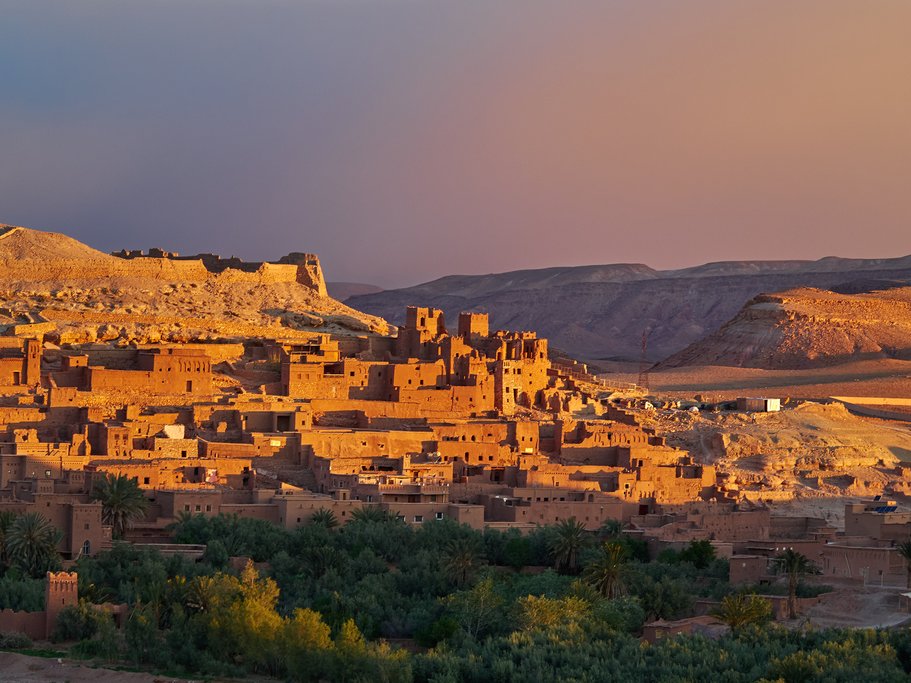
Morocco's climate varies significantly from the cool, wet winters in the north to the hot, dry summers in the south. This diversity means that the ideal time to visit depends on the regions you plan to explore and the activities you have in mind.
In this comprehensive travel guide, we will explore the best times to visit Morocco, helping you plan your trip to coincide with the best weather and events, ensuring an unforgettable experience.
Morocco's Climate Seasons Overview
Morocco experiences a wide range of climates due to its geography. The country's climate varies significantly from the coastal regions to the desert and mountains. Understanding these variations is crucial for planning your trip to Morocco.
The coastal regions, such as Casablanca and Rabat, have a Mediterranean climate characterized by mild winters and warm summers. The average temperature in these areas ranges from 45°F (7°C) in winter to 75°F (24°C) in summer.
In contrast, the desert regions, like Merzouga and Zagora, experience extreme temperatures. During the day, temperatures can soar to over 100°F (38°C) in the summer, while at night, they can drop to below 50°F (10°C). Winters can be quite cold, with temperatures sometimes falling below freezing.
Seasonal Weather Patterns
Morocco has four distinct seasons: spring, summer, autumn, and winter. Spring (March to May) is considered one of the best times to visit, with mild temperatures and blooming landscapes. Summer can be very hot, especially in the desert regions. Autumn (September to November) is another pleasant season, with comfortable temperatures and fewer tourists. Winters are generally mild in the coastal areas but can be cold in the mountains.
Understanding the weather patterns during these seasons will help you pack appropriately and plan your activities. For instance, if you're planning to visit the mountains, you'll need warm clothing in winter, while a trip to the desert requires protection from the sun and heat.
By considering Morocco's diverse climate and seasonal weather patterns, you can better prepare for your journey and make the most of your travel experience.
Best Times to Travel to Different
Plan your trip to Moroccco
Chat with a local specialist who can help organize your trip
Get Started
Moroccan Regions
From the coastal areas to the desert, understanding the best times to travel to different Moroccan regions is key to a great trip. Morocco's diverse geography means that weather conditions vary significantly across different parts of the country.
Weather Patterns and Ideal Visiting Months
Morocco's climate varies from Mediterranean in the north to desert in the south. The ideal visiting months differ based on the region. Generally, spring (March to May) and autumn (September to November) are considered the best times to visit most parts of Morocco due to the pleasant temperatures.
Beach Activities and Coastal Experiences
The coastal regions, such as Casablanca and Essaouira, enjoy mild climates year-round, making them suitable for beach activities throughout the year. Summer months (June to August) are perfect for swimming and water sports, while the spring and autumn seasons are ideal for those who prefer fewer crowds.
Chefchaouen, known as the Blue City, is a popular destination due to its unique architecture and cultural heritage. The best time to visit Chefchaouen is during the spring and early autumn when the weather is pleasant, allowing for comfortable exploration of its blue-painted streets and surrounding natural beauty.
Mediterranean Climate Considerations
The northern regions of Morocco have a Mediterranean climate, characterized by warm summers and mild winters. The best time to visit these areas is during the spring and autumn when the temperatures are not too extreme, making it ideal for sightseeing and outdoor activities.
Desert Weather Extremes
The desert regions, such as Merzouga and Zagora, experience extreme temperatures. Summers can be scorching, while winters can be quite cold. The best times to visit these areas are during the spring and autumn when the temperatures are more moderate, making it suitable for desert adventures like camel treks.
Best Months for Camel Treks
For camel treks in the desert, the best months are October and November or March and April. These periods offer comfortable temperatures, making the desert experience enjoyable without the harsh conditions of the peak summer or winter months.
Seasonal Activities and Travel Experiences in Morocco
As the seasons change, Morocco transforms into a vibrant playground for travelers, with activities ranging from hiking to cultural festivals. You can experience the country's diverse landscapes and cultures through various seasonal activities.
Spring in Morocco is a wonderful time for outdoor adventures. The mild temperatures make it ideal for hiking in the Atlas Mountains or exploring the Sahara Desert. You can take a camel trek through the dunes, enjoying the serene beauty of the desert landscape.
In the summer months, the coastal towns come alive with beachgoers. You can relax on the beautiful beaches of Essaouira or Taghazout, enjoying water sports like surfing and kitesurfing. The warm weather also makes it a great time to explore Morocco's vibrant cities, such as Marrakech and Fez.
Autumn Adventures
Autumn brings a comfortable coolness to Morocco, making it an excellent time for trekking and exploring the countryside. The harvest season in the rural areas offers a glimpse into traditional Moroccan life, with opportunities to visit olive groves and vineyards.
In the winter, the Atlas Mountains are perfect for skiing and snowboarding. You can also visit the ancient cities, enjoying the rich cultural heritage without the summer crowds.
Morocco's diverse climate and geography ensure that there's always something exciting to do, regardless of the season you visit. By choosing activities that suit the time of year, you can have a memorable and enriching travel experience.
Cultural Events and Festivals Worth
Plan your trip to Moroccco
Chat with a local specialist who can help organize your trip
Get Started Your Travel Around
Morocco hosts a variety of cultural events and festivals that are worth planning your trip around. These events not only showcase the country's rich cultural heritage but also offer a unique experience that can make your travel more memorable.
How These Events Affect Your Travel Experience
Attending a cultural festival in Morocco can significantly enhance your travel experience. You'll have the opportunity to witness traditional music, dance, and art, and interact with locals. This can provide a deeper understanding of the country's culture and traditions.
For instance, the Fez Festival of World Sacred Music is a significant event that brings together musicians from around the globe. It's a celebration of sacred music from various cultures, promoting dialogue and peace. If you're a music lover or interested in cultural exchange, this festival is a must-attend.
Another notable event is the Essaouira Gnaoua Festival, which celebrates Gnaoua music and culture. This festival attracts visitors from worldwide, offering a mix of music, workshops, and cultural activities. It's an excellent opportunity to experience the vibrant culture of Essaouira and its unique Gnaoua heritage.
Fez Festival of World Sacred Music
The Fez Festival of World Sacred Music is held annually in Fez, one of Morocco's cultural capitals. The festival features a diverse lineup of musicians performing sacred music from different parts of the world. It's not just a musical event but a celebration of spiritual and cultural diversity.
Essaouira Gnaoua Festival
The Essaouira Gnaoua Festival, on the other hand, is deeply rooted in the Gnaoua culture of Essaouira. It's a celebration of the city's rich musical heritage, with performances, workshops, and cultural activities. Visitors can enjoy the lively atmosphere, explore the city's historic sites, and experience the local culture firsthand.
Plan your trip to Moroccco
Chat with a local specialist who can help organize your trip
Get StartedPractical Travel Tips for Each Season in Morocco
To make the most of your Moroccan adventure, understanding the practicalities of traveling through its varied seasons is crucial. Morocco's climate varies significantly from one region to another, and being prepared can make all the difference in your travel experience.
Desert Travel in Summer vs. Winter
Traveling through Morocco's desert regions is a highlight for many visitors. In the summer, temperatures can soar, making it essential to stay hydrated and travel early in the morning or late in the evening to avoid the harsh midday sun. In contrast, winter offers milder temperatures, making it an ideal time for desert treks and camping under the stars.
When planning your desert adventure, consider the season and pack accordingly. Summer requires lightweight, breathable clothing and plenty of water, while winter necessitates warmer layers for the chilly nights.
Mountain Passes During Rainy Seasons
Morocco's mountainous regions, such as the Atlas Mountains, can be particularly challenging during the rainy season. Roads may become slippery, and some passes might be closed due to snow or landslides. It's crucial to check the weather forecast and road conditions before heading out and to consider renting a 4x4 vehicle if you plan to explore these areas during the wet season.
High Season vs. Low Season Rates
The time of year you visit Morocco can also significantly impact your expenses. High season, typically during spring and autumn, sees higher rates for accommodations and tourist services. If you're on a budget, consider traveling during the shoulder or low season. While some attractions might be less accessible, you'll enjoy a more relaxed experience and lower costs.
By understanding these seasonal variations and planning accordingly, you can ensure a more enjoyable and stress-free trip to Morocco. Whether you're trekking through the desert, exploring mountain villages, or simply enjoying the vibrant cities, being prepared is key to a successful Moroccan adventure.
Planning Your Perfect Moroccan Journey
With the insights gained from our exploration of Morocco's climate, regional variations, and cultural events, you're now well-equipped to plan your trip to this enchanting country. A Morocco travel guide is essential in helping you navigate the best times to visit different regions, ensuring that your travel experience is nothing short of extraordinary.
As you prepare for your journey, consider the seasonal activities and experiences that Morocco has to offer. From the vibrant festivals to the serene landscapes, each season brings its unique charm. By taking into account the practical travel tips for each season, you'll be able to make the most of your time in Morocco and enjoy a hassle-free trip.
Effective travel advice for Morocco includes being mindful of the local customs, respecting the culture, and staying informed about the local events and festivals. With this knowledge, you'll be able to create a personalized itinerary that suits your preferences and makes your Moroccan journey truly unforgettable.
Plan your trip to Moroccco
Chat with a local specialist who can help organize your trip
Get Started