
Key Takeaways: You'll witness a unique cultural shift and see how plans change. Enjoy local festivities, savor special meals, and experience warm community hospitality.
 Ever dreamed of traveling to North Africa during its most holy season? Exploring Morocco in 2026 lets you see incredible transformations. The mood shifts beautifully across the landscape.
So, what's Ramadan like in Morocco for a traveler? It's a time of profound peace followed by nightly celebrations. These fill the air with excitement and joy.
This travel summary helps you navigate changing schedules while enjoying your adventure. From bustling souks to quiet highland villages, the hospitality is unmatched.
Expect unique treats that appear after dusk when the stars come out. People gather to share meals as daylight fades, creating memories that last forever.
Get ready for a journey that connects you with the heart of this historic land.
Ever dreamed of traveling to North Africa during its most holy season? Exploring Morocco in 2026 lets you see incredible transformations. The mood shifts beautifully across the landscape.
So, what's Ramadan like in Morocco for a traveler? It's a time of profound peace followed by nightly celebrations. These fill the air with excitement and joy.
This travel summary helps you navigate changing schedules while enjoying your adventure. From bustling souks to quiet highland villages, the hospitality is unmatched.
Expect unique treats that appear after dusk when the stars come out. People gather to share meals as daylight fades, creating memories that last forever.
Get ready for a journey that connects you with the heart of this historic land.
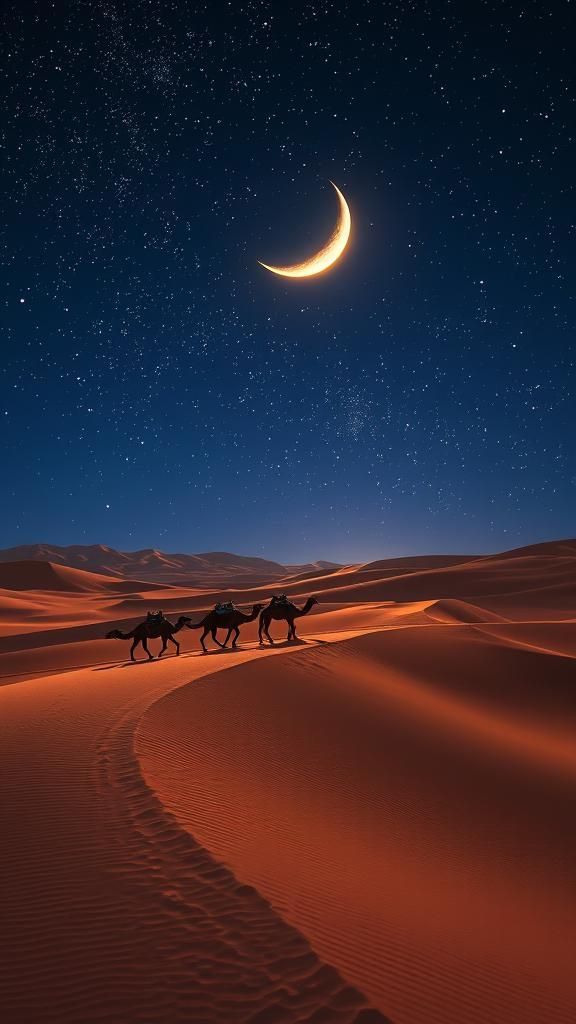 The Islamic lunar calendar is a lunisolar calendar. It's based on the moon's cycles. Each month starts with the new moon.
This calendar is shorter than the solar year. That's why Ramadan's date changes each year. It's important to understand this to plan your trip.
The start of Ramadan can vary. It depends on when the crescent moon is seen. This can differ from country to country.
The Islamic lunar calendar is a lunisolar calendar. It's based on the moon's cycles. Each month starts with the new moon.
This calendar is shorter than the solar year. That's why Ramadan's date changes each year. It's important to understand this to plan your trip.
The start of Ramadan can vary. It depends on when the crescent moon is seen. This can differ from country to country.
 The fasting lasts from dawn to sunset. It's a time for spiritual reflection. The fast is broken at Iftar, the evening meal.
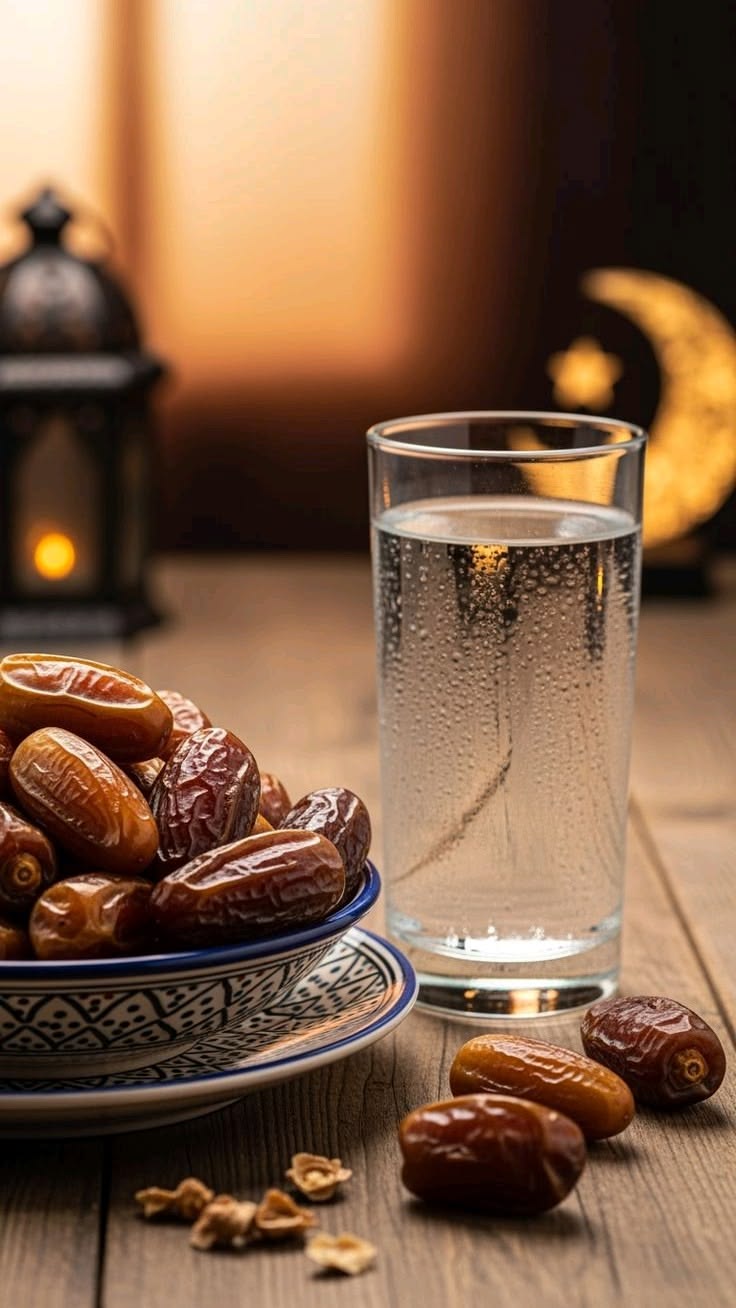
Iftar includes Harira soup, dates, and pastries. It's a big deal in Moroccan culture. Knowing the fasting hours helps tourists respect local customs.
The fasting lasts from dawn to sunset. It's a time for spiritual reflection. The fast is broken at Iftar, the evening meal.
Iftar includes Harira soup, dates, and pastries. It's a big deal in Moroccan culture. Knowing the fasting hours helps tourists respect local customs.
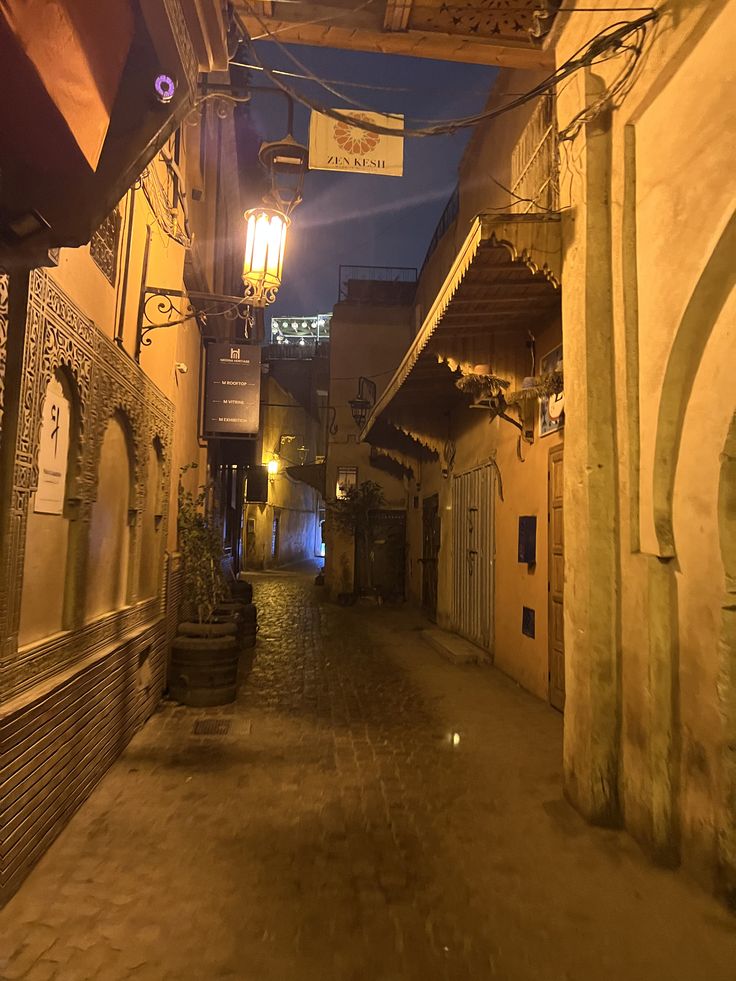 As the day goes on, streets get emptier. Locals focus on fasting and getting ready for Iftar. This is really noticeable in cities like Marrakech and Fes.
The quiet day offers a fresh view of these lively cities. Tourists can explore without the usual crowds.
As the day goes on, streets get emptier. Locals focus on fasting and getting ready for Iftar. This is really noticeable in cities like Marrakech and Fes.
The quiet day offers a fresh view of these lively cities. Tourists can explore without the usual crowds.
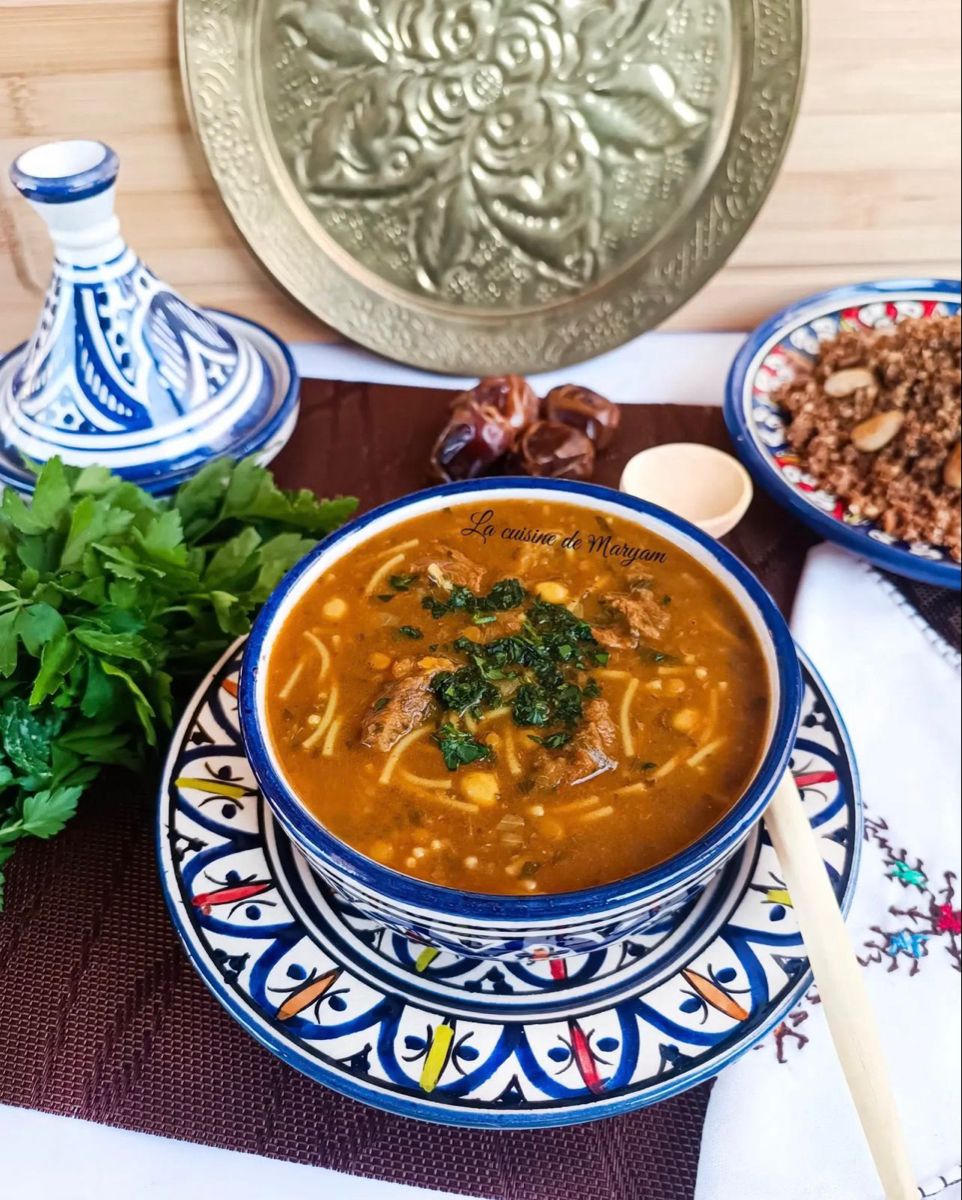 No Moroccan Iftar is complete without a bowl of Harira, a hearty and nourishing soup made from tomatoes, lentils, chickpeas, and spices. This traditional dish is not only delicious but also provides a much-needed boost after a day of fasting. You'll find Harira on every Iftar table, and it's a staple of Moroccan cuisine during Ramadan.
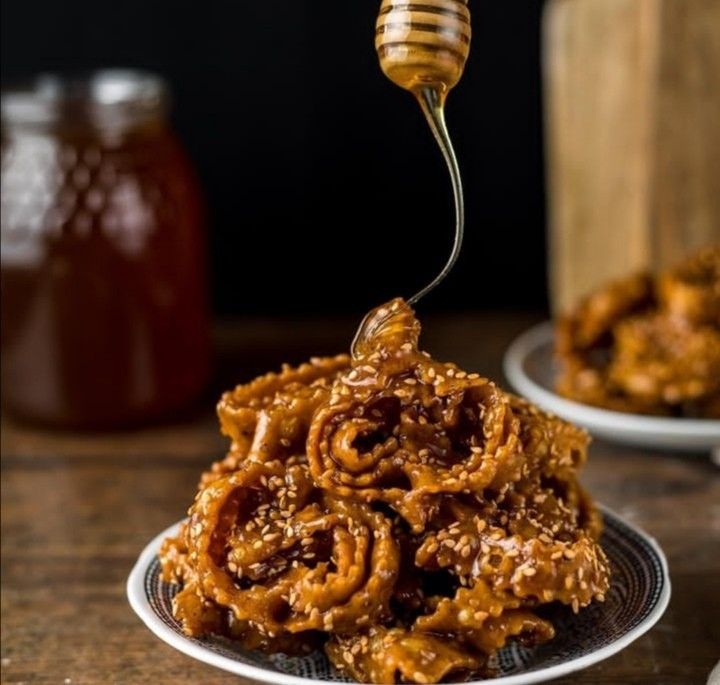 Ramadan in Morocco is also a time for indulging in sweet treats, such as Chebakia and Sellou. Chebakia is a deep-fried cookie-like pastry coated in honey and sprinkled with sesame seeds, while Sellou is a rich, sweet mixture of nuts, seeds, and dried fruit. These traditional sweets are enjoyed during Ramadan and are often served to guests as a sign of hospitality.
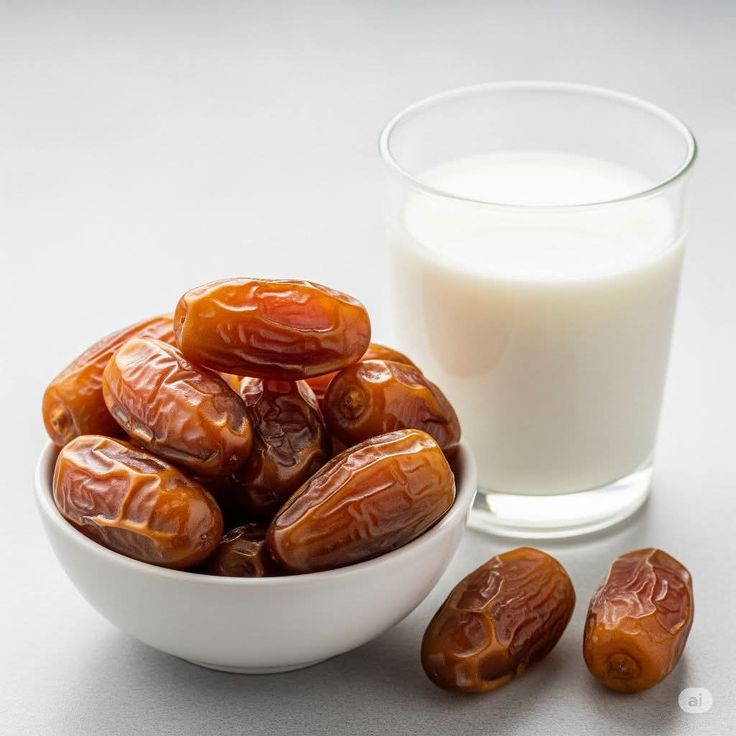 Just like in many other Muslim countries, the tradition of breaking the fast with dates and milk is also observed in Morocco. This practice is rooted in the Islamic tradition of Prophet Muhammad, who broke his fast with dates and water. In Morocco, you'll often find dates and milk served together at Iftar gatherings, providing a sweet and refreshing start to the evening meal.
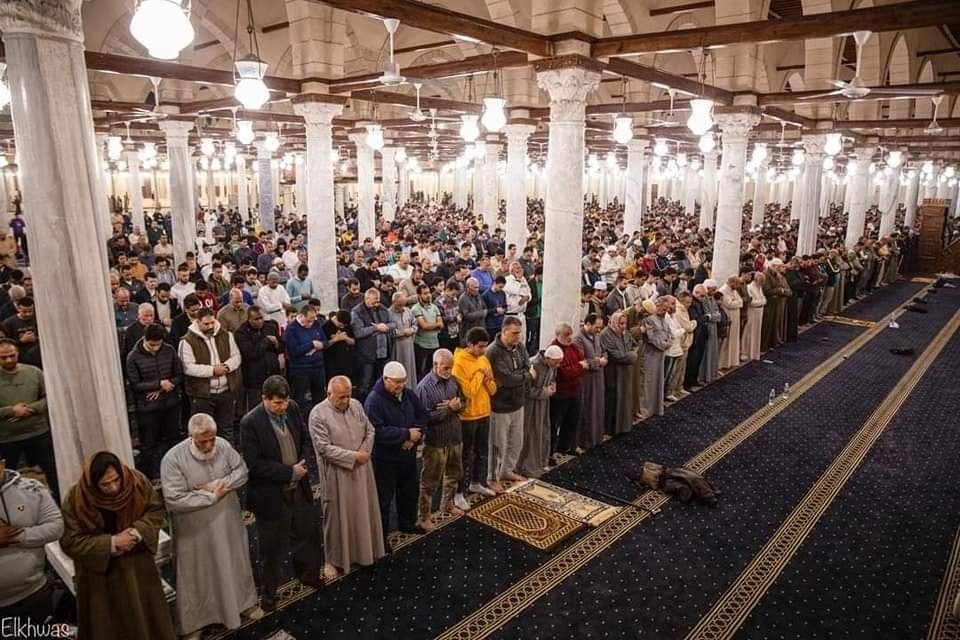 Tarawih prayers are an essential part of Ramadan in Morocco, where locals gather in mosques to perform additional prayers after Isha, the night prayer. These prayers are usually performed in congregation and are a beautiful display of community and spirituality. While non-Muslims are not expected to participate in Tarawih prayers, you can still observe from outside the mosque or visit the mosque's courtyard to experience the serene atmosphere.
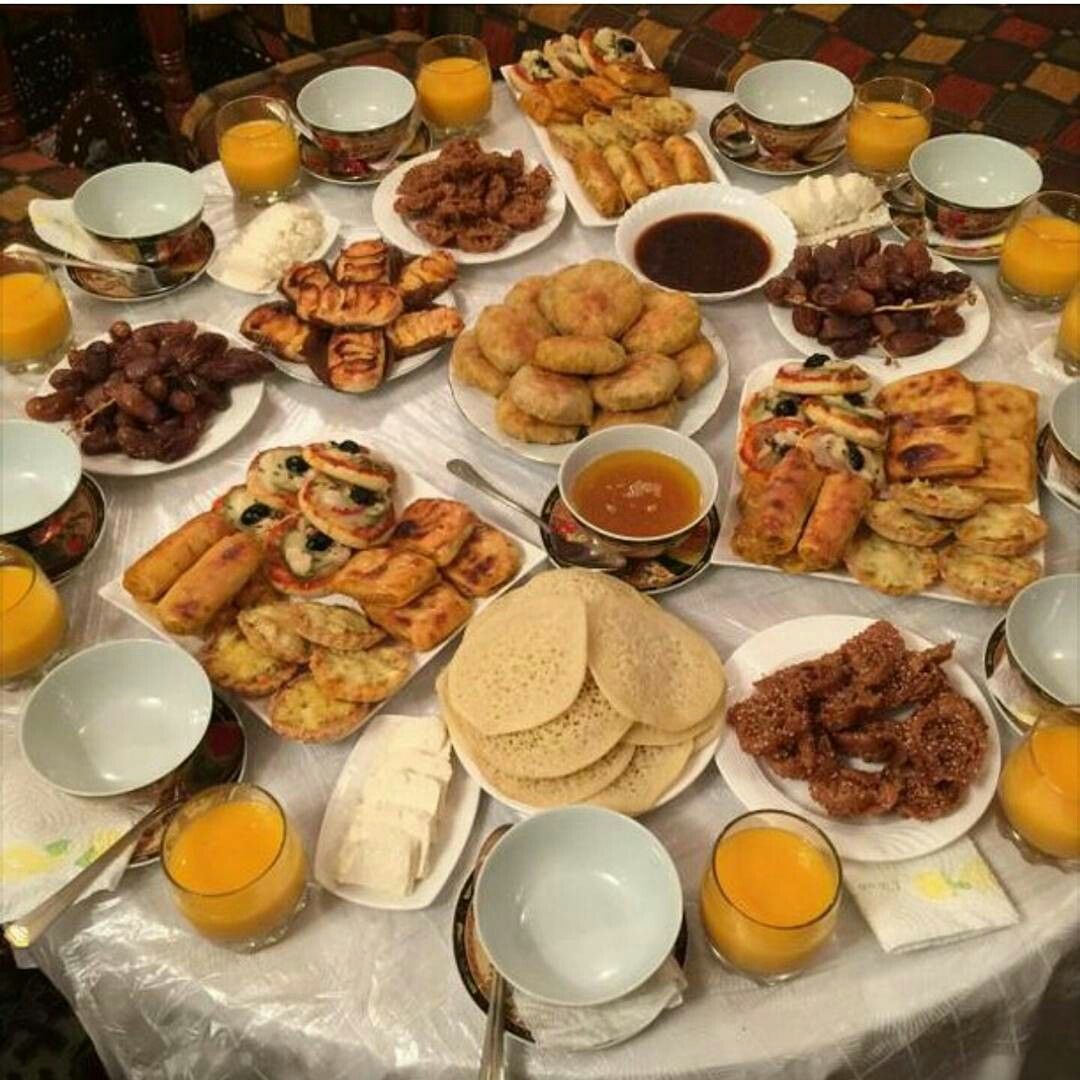 Iftar in Morocco is a mix of spirituality, family, and tasty food. As a tourist, joining this tradition can be a top highlight of your Ramadan trip.
• Dates and milk: A classic combo to break the fast, following the Prophet Muhammad's tradition.
• Harira soup: A warm soup with tomatoes, lentils, and spices.
• Chebakia and sweets: Sweet pastries and desserts are key to Moroccan Iftar.
• Main course: Includes dishes like chicken or lamb tagine, with couscous or bread. While families may vary their meals, they usually mix sweet and savory dishes.
• Respect local customs and traditions.
• Show real interest in Moroccan culture and Ramadan.
• Engage with locals and ask questions politely.
• Stay in locally-owned places or join cultural tours for such experiences.
• A variety of traditional dishes
• Special Ramadan sweets
• A refreshing drink to rehydrate after fasting These set menus let you try Moroccan cuisine in a friendly setting—book early, as these spots get busy.
• Choose hotels with room service or restaurants open to non-fasters.
• Bring snacks and water, if you have special dietary needs.
• Find restaurants that stay open during the day, often with quiet areas.
• Plan your day according to the new hours, usually late afternoon to early evening.
• Expect some places to close earlier than usual.
• Use the day to rest or take a siesta, like locals do.
• Be flexible and enjoy the slower pace.
• Use the calm to explore local culture and views.
• Drink plenty of water and eat well to stay energized.
• Keep up with local events and holidays that might affect your plans.
• Have a plan B or alternative activities ready.
• Be patient and understanding, as these closures are part of the culture.
• Check the prayer times for your visit areas.
• Plan your activities to avoid these times for convenience.
• Respect people praying and avoid loud noises or disruptions.
• Capture the colorful street food stalls and night markets.
• Photograph the beautifully lit mosques and public spaces.
• Take pictures of families and friends gathering for Iftar.
• Be discreet and avoid using flash.
• Focus on the food, decorations, and atmosphere.
• If invited to an Iftar, be grateful and respectful.
• Inside mosques, unless explicitly allowed.
• People praying or in deep spiritual activities.
• Private homes without permission. By being considerate and respectful, you can capture Ramadan in Morocco. This way, you also respect the local culture and customs.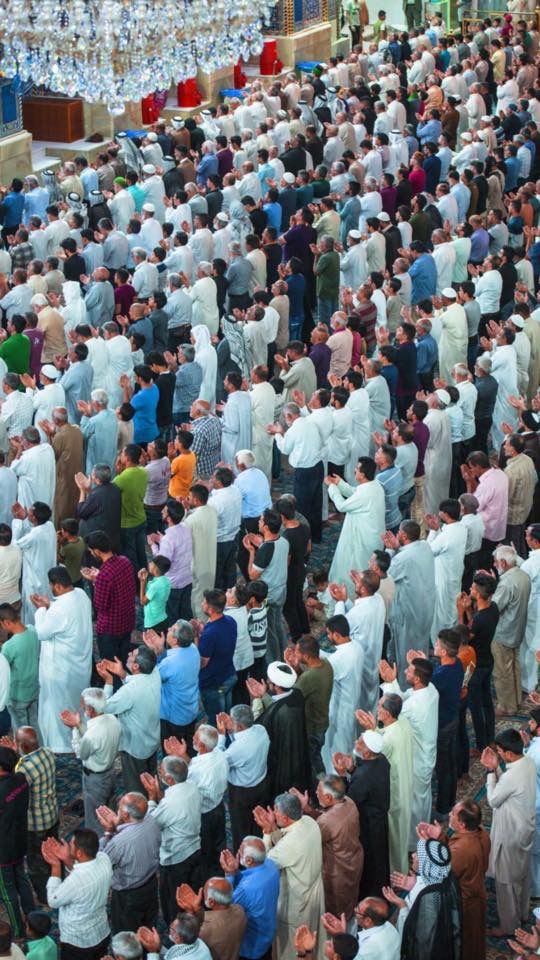 As Ramadan ends, Moroccans look forward to Eid al-Fitr. It's a time for feasting, giving gifts, and family reunions. It's a special experience for tourists in Morocco.
Ever dreamed of traveling to North Africa during its most holy season? Exploring Morocco in 2026 lets you see incredible transformations. The mood shifts beautifully across the landscape.
So, what's Ramadan like in Morocco for a traveler? It's a time of profound peace followed by nightly celebrations. These fill the air with excitement and joy.
This travel summary helps you navigate changing schedules while enjoying your adventure. From bustling souks to quiet highland villages, the hospitality is unmatched.
Expect unique treats that appear after dusk when the stars come out. People gather to share meals as daylight fades, creating memories that last forever.
Get ready for a journey that connects you with the heart of this historic land.
Understanding What Ramadan in Morocco Really Means
Ramadan in Morocco is more than just a month of fasting. It's a time of deep spiritual reflection, community bonding, and personal growth. If you're planning a trip to Morocco during Ramadan, understanding its significance is key.The Spiritual Significance of Ramadan for Moroccans
Ramadan is a special time for Moroccans. It's when families and communities come together. They share traditions and strengthen their bonds. Fasting from dawn to sunset is a core part of Ramadan. It helps Moroccans develop self-control and empathy. It also deepens their connection to their faith. Ramadan culture in Morocco is all about spirituality and community. Evenings are filled with Tarawih prayers and special gatherings. Traditional foods bring people together.When Ramadan 2026 Falls in Morocco
Ramadan's start date changes every year. For 2026, it's expected to start around mid-March. This depends on the lunar cycle.How the Islamic Lunar Calendar Works
The Islamic lunar calendar is a lunisolar calendar. It's based on the moon's cycles. Each month starts with the new moon.
This calendar is shorter than the solar year. That's why Ramadan's date changes each year. It's important to understand this to plan your trip.
The start of Ramadan can vary. It depends on when the crescent moon is seen. This can differ from country to country.
How Daily Life Completely Transforms During Ramadan
Ramadan changes Morocco's daily life a lot. You'll see big changes in routines, atmosphere, and vibe. It's a unique experience to dive into.The Typical Ramadan Daily Schedule
Moroccans follow a strict schedule during Ramadan. The day starts with Suhoor, a pre-dawn meal. This meal gives them energy for the day. After Suhoor, people slow down and do their daily tasks. Businesses and services run on shorter hours. The mood is more calm.Suhoor to Iftar: Understanding the Fasting Hours
The fasting lasts from dawn to sunset. It's a time for spiritual reflection. The fast is broken at Iftar, the evening meal.
Iftar includes Harira soup, dates, and pastries. It's a big deal in Moroccan culture. Knowing the fasting hours helps tourists respect local customs.
Why Streets Empty During the Day
As the day goes on, streets get emptier. Locals focus on fasting and getting ready for Iftar. This is really noticeable in cities like Marrakech and Fes.
The quiet day offers a fresh view of these lively cities. Tourists can explore without the usual crowds.
The Dramatic Change After Sunset
But, after sunset, everything changes. Streets fill with people for Iftar. The smell of traditional foods fills the air. Evenings are for socializing. Families and friends come together to break their fast. It's a great time for tourists to see local hospitality and culture.Step-by-Step: Preparing for Your Ramadan Trip to Morocco
Planning a trip to Morocco during Ramadan is more than booking flights and hotels. It's about respecting local traditions. Knowing the details of this sacred month will make your trip better and your interactions with locals more meaningful.Research Your Specific Travel Dates
Ramadan's start date changes every year because it follows the Islamic lunar calendar. Checking the exact dates for Ramadan 2026 is key before you book your trip. This ensures your plans fit with the local schedule and avoids any last-minute issues.Adjust Your Expectations and Itinerary
In Morocco, Ramadan changes daily life a lot. Many places, including tourist spots, have different hours. Plan your day around fasting hours and enjoy the evenings. Adjusting your plans will help you have a great trip.Pack Appropriate Clothing and Essentials
Morocco is conservative, and Ramadan makes it even more important to dress modestly. Wear clothes that cover your shoulders and knees as a sign of respect. Also, bring sunscreen, a hat, and comfy shoes for exploring in the evenings.Book Accommodations with Dining Facilities
Since many restaurants close during the day, staying in a place with dining is helpful. Look for hotels or riads that offer Suhoor and Iftar meals or room service. This makes fasting days easier and lets you enjoy local food in your room.Morocco Ramadan Traditions You'll Experience
Morocco's Ramadan traditions offer a captivating glimpse into the country's history, spirituality, and community spirit. As you experience Ramadan in Morocco, you'll be immersed in a rich tapestry of customs and practices that are both unique and fascinating.The Cannon Blast Signaling Iftar
One of the most iconic Ramadan traditions in Morocco is the cannon blast that signals the breaking of the fast, known as Iftar. This tradition dates back to the 17th century and is a beloved custom in many Moroccan cities, including Marrakech and Rabat. The cannon fire is a moment of great excitement, marking the end of the daily fasting period and the beginning of the evening's festivities.Harira Soup: The Star of Every Iftar Table
No Moroccan Iftar is complete without a bowl of Harira, a hearty and nourishing soup made from tomatoes, lentils, chickpeas, and spices. This traditional dish is not only delicious but also provides a much-needed boost after a day of fasting. You'll find Harira on every Iftar table, and it's a staple of Moroccan cuisine during Ramadan.
Chebakia, Sellou, and Special Ramadan Sweets
Ramadan in Morocco is also a time for indulging in sweet treats, such as Chebakia and Sellou. Chebakia is a deep-fried cookie-like pastry coated in honey and sprinkled with sesame seeds, while Sellou is a rich, sweet mixture of nuts, seeds, and dried fruit. These traditional sweets are enjoyed during Ramadan and are often served to guests as a sign of hospitality.
The Tradition of Dates and Milk
Just like in many other Muslim countries, the tradition of breaking the fast with dates and milk is also observed in Morocco. This practice is rooted in the Islamic tradition of Prophet Muhammad, who broke his fast with dates and water. In Morocco, you'll often find dates and milk served together at Iftar gatherings, providing a sweet and refreshing start to the evening meal.
Tarawih Prayers in the Mosques
Tarawih prayers are an essential part of Ramadan in Morocco, where locals gather in mosques to perform additional prayers after Isha, the night prayer. These prayers are usually performed in congregation and are a beautiful display of community and spirituality. While non-Muslims are not expected to participate in Tarawih prayers, you can still observe from outside the mosque or visit the mosque's courtyard to experience the serene atmosphere.
How to Navigate Eating and Drinking as a Non-Muslim Tourist
Morocco during Ramadan is a unique cultural experience. Knowing how to eat and drink with respect is crucial. As a non-Muslim tourist, you don't have to fast, but you should still be mindful of those who do.Your Rights as a Tourist During Ramadan
In Morocco during Ramadan, you can eat and drink in certain areas. Moroccan law lets non-Muslims eat and drink in public. But, it's considered polite to be discreet about it.Finding Restaurants Open During Daytime Hours
Many restaurants close during the day, but some stay open. Look for restaurants in tourist areas or ask your hotel for tips. Cities like Marrakech and Casablanca have spots for tourists during Ramadan.Eating Discreetly in Public Spaces
If you must eat or drink outside, do it quietly. Don't eat on the street or in busy places. Find a quiet spot or a place where locals eat. This way, you respect the local culture and blend in.Hotel Restaurant Options and Room Service
Hotels for tourists often have dining options during the day. You can eat in the hotel restaurant or get room service. This is a good way to eat without going out during fasting hours.Carrying Snacks and Water
Carrying snacks and water is smart when exploring. It's helpful in less touristy areas where choices are few. Just remember to throw away trash and avoid eating in public if you can. By following these tips, you can enjoy Morocco during Ramadan. You'll respect the local customs and traditions while having a great time.Experiencing an Authentic Moroccan Iftar
Iftar in Morocco is a mix of spirituality, family, and tasty food. As a tourist, joining this tradition can be a top highlight of your Ramadan trip.
What Happens in the Minutes Before Iftar
The moments before Iftar are filled with excitement. Drums and cannons signal the end of fasting, making the atmosphere buzz. You might also hear the call to prayer from mosques, adding to the spiritual feel. As the sun sets, families and friends gather for Iftar. The air is filled with the smell of traditional dishes and laughter.The Sequence of an Iftar Meal
A traditional Moroccan Iftar meal has a special order:• Dates and milk: A classic combo to break the fast, following the Prophet Muhammad's tradition.
• Harira soup: A warm soup with tomatoes, lentils, and spices.
• Chebakia and sweets: Sweet pastries and desserts are key to Moroccan Iftar.
• Main course: Includes dishes like chicken or lamb tagine, with couscous or bread. While families may vary their meals, they usually mix sweet and savory dishes.
How to Get Invited to a Family Iftar
Being invited to a family Iftar is a special experience. Here are some tips:• Respect local customs and traditions.
• Show real interest in Moroccan culture and Ramadan.
• Engage with locals and ask questions politely.
• Stay in locally-owned places or join cultural tours for such experiences.
Restaurant Iftar Specials and Set Menus
Many restaurants in Morocco have special Iftar menus during Ramadan. These include:• A variety of traditional dishes
• Special Ramadan sweets
• A refreshing drink to rehydrate after fasting These set menus let you try Moroccan cuisine in a friendly setting—book early, as these spots get busy.
Mastering Etiquette and Showing Respect During Ramadan
To enjoy your Ramadan trip to Morocco, learning local etiquette is key. Morocco is famous for its hospitality. Showing respect for local customs will make you feel welcome.Dressing More Conservatively Than Usual
During Ramadan, it's wise to dress more conservatively. Cover your shoulders and knees as a sign of respect. Wearing loose, modest clothes will keep you cool and show respect for the culture.Avoiding Eating, Drinking, or Smoking in Public
Respecting Ramadan etiquette means avoiding eating, drinking, or smoking in public during the day. As a non-Muslim, fasting isn't required, but not eating in public shows respect. Many places will be closed during the day, but eating discreetly is best.Understanding Public Displays of Affection Rules
Morocco is conservative, and Ramadan is a time to be even more careful with public displays of affection. Avoid kissing or hugging in public. Being respectful will improve your interactions with Moroccans.Learning Key Arabic Phrases for Ramadan
Learning Arabic phrases like "Ramadan Mubarak" (Blessed Ramadan) or "Shukraan" (Thank you) shows respect. It shows you're trying to connect with their culture.Respecting Prayer Times and Mosque Areas
Ramadan is a spiritual time, and prayer is important. Be aware of prayer times and don't visit mosques then unless invited. Dress appropriately and follow local rules when visiting mosques or religious sites.What to Expect: Operating Hours for Attractions and Services
Traveling to Morocco during Ramadan means knowing about the changes in hours for tourist spots, markets, and services. The nights are more lively, but days have shorter hours. It's good to plan ahead.Tourist Sites and Monument Schedules
Attractions and monuments in Morocco adjust their hours during Ramadan. They usually open later and close earlier. For example, the Bahia Palace in Marrakech might open at 9 or 10 AM and close by 3 or 4 PM. It's smart to check the hours for each place you want to visit. Hours can differ.Souk and Market Hours
Souks and markets in Morocco also change their hours during Ramadan. They open later and close earlier, like tourist sites. But, some might stay open late for Iftar shopping. Be ready to shop early or late when the souks are bustling.Transportation and Taxi Availability
Taxis and transportation services run all day during Ramadan. But, they might be less frequent during fasting hours. In big cities like Marrakech and Casablanca, finding a taxi is easy. You can also use ride-hailing apps. Some drivers might be fasting, so it's quieter.Banks, Post Offices, and Government Services
Banks, post offices, and government services have shorter hours during Ramadan. Banks might open from 9 AM to 2 or 3 PM. Post offices and government offices close early. Do your banking or official tasks before Ramadan or during the shorter hours. Knowing these changes helps you plan better. Being flexible and prepared makes your trip to Morocco during Ramadan better.City-by-City Guide to Ramadan Experiences in Morocco
From Marrakech's busy streets to Fes's old medinas, Ramadan in Morocco is a unique experience. Each city has its own way of celebrating Ramadan. Knowing these differences helps you plan your trip better.Experiencing Ramadan in Marrakech
Marrakech shines brightly during Ramadan. Its famous square, Jemaa el-Fnaa, turns into a lively iftar spot.Jemaa el-Fnaa Square at Iftar Time
At sunset, Jemaa el-Fnaa buzzes with food stalls. You can try chebakia and dates while enjoying the scene.Where to Eat During the Day in Marrakech
Many restaurants close during the day. But, some spots for tourists and locals stay open. Hotels also offer room service or private dining.Ramadan in Fes: The Most Traditional Experience
Fes is known for its ancient medina and traditional Ramadan. The city's narrow streets and mosques add to the spiritual feel.The Ancient Medina During Ramadan
The medina is calm during Ramadan. Locals come together for iftar and tarawih prayers. You can visit historic sites while following local customs.Casablanca's Modern Ramadan Atmosphere
Casablanca mixes old Ramadan traditions with modern touches. You can find iftar at fancy restaurants or street stalls.Ramadan in Smaller Cities and Rural Areas
In smaller places, Ramadan is about community. People gather in homes or centers for iftar and tarawih.Making the Most of Ramadan Evenings and Nights
Morocco shines at night during Ramadan, offering a unique cultural experience. As the fast is broken with Iftar, the atmosphere changes. Cities across the country become vibrant hubs of activity.When the City Comes Back to Life
Evenings are a time for celebration and community after fasting. Streets once empty now buzz with families, children, and the smell of food. The energy is palpable as people gather to break their fast. Cities turn into lively centers of social activity.Shopping and Exploring After Iftar
Ramadan evenings are perfect for exploring Morocco's souks and markets. The atmosphere is relaxed, and the crowds are festive. You can browse through the stalls selling crafts, clothing, and souvenirs, enjoying the lively ambiance. Many shops and markets stay open late, offering a wide range of goods. It's a great chance to find unique gifts or soak in local culture.Street Food Stalls and Night Markets
Street food is a highlight of Ramadan nights. Vendors sell traditional snacks and sweets like chebakia and sellou. You can try these local delicacies while exploring markets. Night markets are also great for trying local cuisine and drinks. From harira soup to fresh juices, there's something for everyone.Social Life and Café Culture at Night
Ramadan nights are for socializing. Cafés and restaurants are filled with families and friends. You can join in by visiting local eateries or sitting at a café and observing the lively atmosphere. The social aspect of Ramadan is a big part of the experience. It's a time when communities come together, and visitors can be part of this communal spirit.The Unexpected Benefits of Visiting Morocco During Ramadan
Traveling to Morocco during Ramadan is a unique and enriching experience. You'll find many benefits that make this time special. It's a chance to dive into the local culture and traditions.Witnessing Authentic Moroccan Culture and Spirituality
Ramadan gives you a peek into Morocco's true culture and spirituality. You'll see locals gather for Iftar and Tarawih prayers in the evenings. It's a great way to learn about Moroccan values and traditions.Experiencing Fewer Tourist Crowds
Visiting Morocco during Ramadan means fewer tourists. Popular spots are less crowded, making it easier to explore. It's perfect for those who love a peaceful travel experience.Tasting Exclusive Ramadan Dishes and Sweets
Moroccan food is amazing, and Ramadan brings special dishes and sweets. Try Harira soup and Chebakia and Sellou for a taste adventure.Better Hotel Rates and Accommodation Deals
With fewer tourists, hotels offer discounts and packages. You can enjoy luxury stays or cozy hotels at lower prices. It's a great way to save money while traveling.Connecting with Locals on a Deeper Level
Ramadan brings Moroccans together, making them more welcoming to visitors. You'll have chances to connect with locals through meals and cultural activities. It's a unique way to make friends.Common Challenges and How to Overcome Them
When planning your Ramadan trip to Morocco, knowing the challenges ahead can help a lot. Morocco during Ramadan is special and rewarding, but knowing the obstacles can make your trip smoother.Dealing with Limited Daytime Restaurant Options
One big change in Ramadan is fewer daytime restaurants. Many places close until iftar, making it hard to find food. Here's how to deal with it:• Choose hotels with room service or restaurants open to non-fasters.
• Bring snacks and water, if you have special dietary needs.
• Find restaurants that stay open during the day, often with quiet areas.
Adjusting to Reduced Business Hours
Business hours, like shop and attraction times, get shorter in Ramadan. To manage your time well:• Plan your day according to the new hours, usually late afternoon to early evening.
• Expect some places to close earlier than usual.
• Use the day to rest or take a siesta, like locals do.
Managing Your Energy with the Slower Pace
The pace of life in Morocco slows down in Ramadan. This can be good and bad for visitors. To adjust:• Be flexible and enjoy the slower pace.
• Use the calm to explore local culture and views.
• Drink plenty of water and eat well to stay energized.
Handling Unexpected Closures
Businesses or attractions might close unexpectedly in Ramadan. To deal with this:• Keep up with local events and holidays that might affect your plans.
• Have a plan B or alternative activities ready.
• Be patient and understanding, as these closures are part of the culture.
Planning Around Prayer Times
Prayer times are key in Ramadan, and some places might be closed or hard to reach. To plan around this:• Check the prayer times for your visit areas.
• Plan your activities to avoid these times for convenience.
• Respect people praying and avoid loud noises or disruptions.
Guidelines for Photography and Cultural Sensitivity
To capture Ramadan in Morocco with respect, you need to know when and how to take photos. Morocco during Ramadan is a mix of spiritual devotion and cultural celebrations. It's important to be aware of local customs to avoid offending people.When Photography Is Appropriate During Ramadan
The best time for photos is after Iftar (the meal eaten after sunset). The streets come alive with people and the smell of food. It's a lively and vibrant atmosphere.• Capture the colorful street food stalls and night markets.
• Photograph the beautifully lit mosques and public spaces.
• Take pictures of families and friends gathering for Iftar.
Always Ask Permission Before Photographing People
Moroccans are very hospitable, but always ask before taking someone's picture. A simple "Maghribi?" (May I take your photo?) shows respect.Capturing Iftar and Evening Scenes Respectfully
Iftar scenes are very captivating during Ramadan. To capture these moments respectfully:• Be discreet and avoid using flash.
• Focus on the food, decorations, and atmosphere.
• If invited to an Iftar, be grateful and respectful.
Areas to Avoid Photographing
There are areas and situations where photography is best avoided during Ramadan:• Inside mosques, unless explicitly allowed.
• People praying or in deep spiritual activities.
• Private homes without permission. By being considerate and respectful, you can capture Ramadan in Morocco. This way, you also respect the local culture and customs.
Understanding Eid al-Fitr: The Grand Finale
As Ramadan ends, Moroccans look forward to Eid al-Fitr. It's a time for feasting, giving gifts, and family reunions. It's a special experience for tourists in Morocco.