
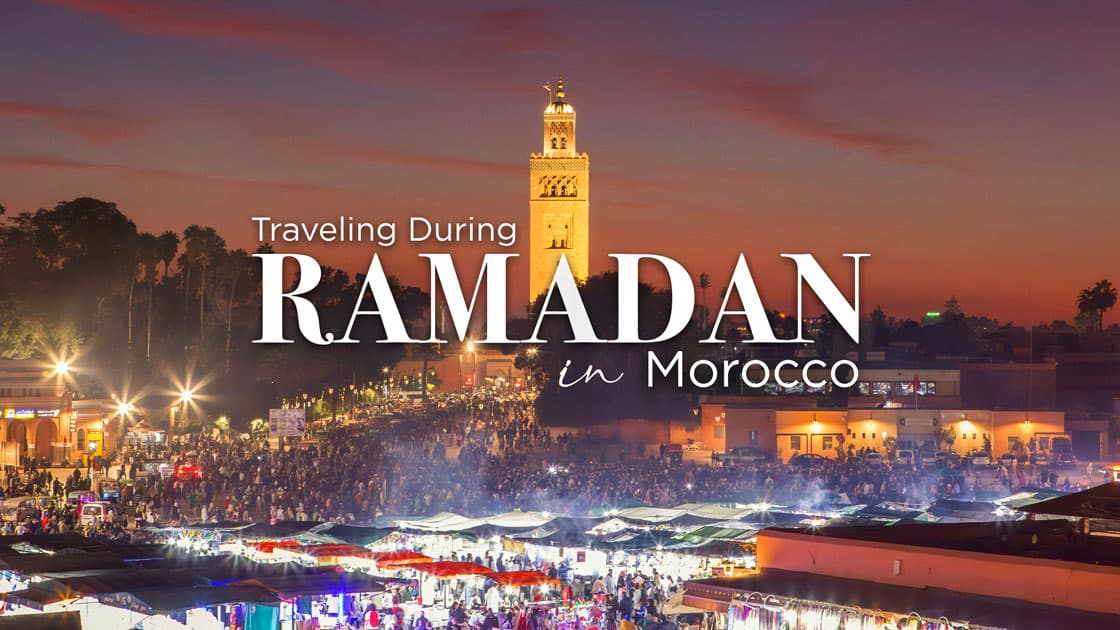
• Learn how the spiritual atmosphere and daily schedule changes affect your travel plans.
• Discover how to respectfully participate in evening traditions and communal celebrations.
• Traveling to North Africa during Ramadan is a unique experience. The atmosphere changes from bustling markets to a calm that fills the streets. Understanding the local rhythm is key for a smooth and meaningful trip.
• As the sun sets, the air is filled with the smell of soup and dates. This season offers a glimpse into the spiritual heart of the people. Embracing these traditions lets you connect deeply with locals.
• Daily routines change during Ramadan. Shops might close in the afternoon, but nights are filled with lights and shared meals. Following some travel tips helps you navigate these changes with respect.
• Your visit to Morocco during Ramadan will be unforgettable. Just be patient and open-minded as you explore the beautiful landscapes.
Understanding Ramadan in Morocco
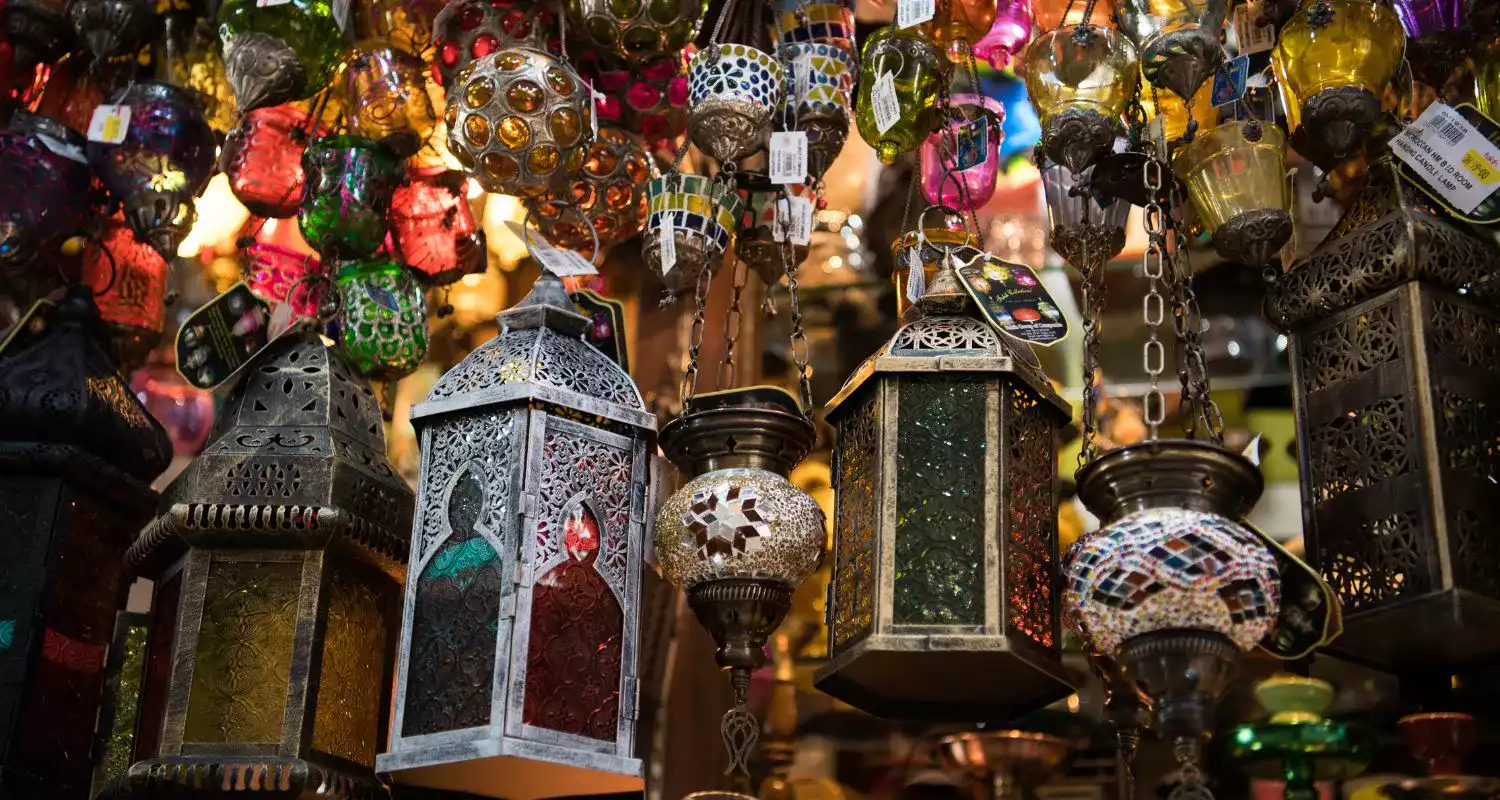 Before you visit Morocco during Ramadan, it's important to know about this holy month. Ramadan is a time for fasting, reflection, and spiritual growth for Muslims. It deeply affects daily life and culture in Morocco.
What Is Ramadan and Why It Matters
Ramadan is the ninth month of the Islamic calendar. It's a time when Muslims fast from dawn to sunset. In Morocco, a country mostly Muslim, Ramadan is a big event that unites communities. Key aspects of Ramadan include:• Fasting from dawn to sunset
• Increased prayer and recitation of the Quran
• Acts of charity and generosity
• Family and community gatherings, specially during iftar (the meal to break the fast)
When Does Ramadan Occur in Morocco
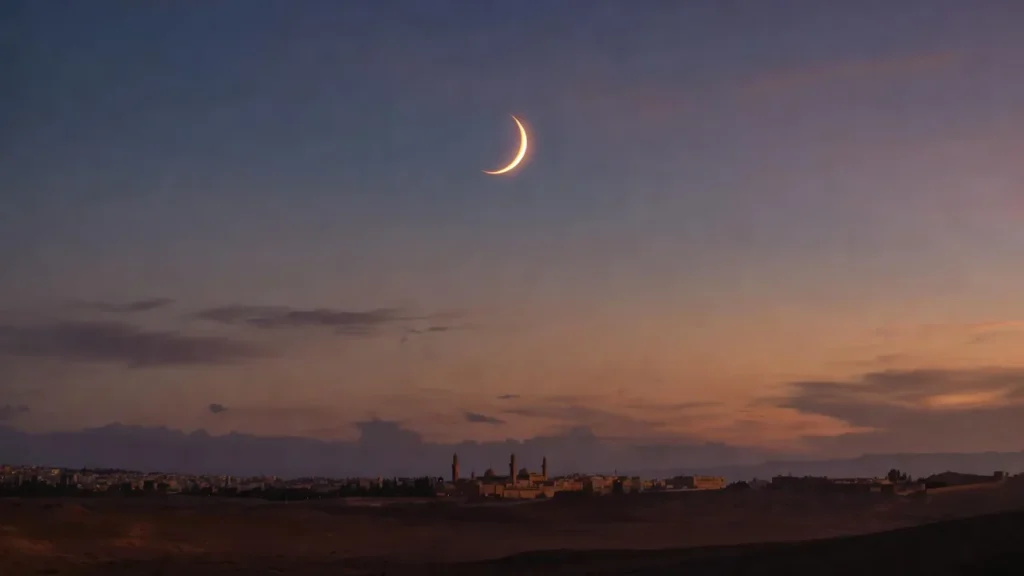 Ramadan's timing changes every year because it follows the lunar Islamic calendar. It usually lasts 29-30 days, ending with Eid al-Fitr. The exact dates depend on when the moon is seen, so it's good to check forecasts before traveling.
To plan your trip well, consider these tips:
Ramadan's timing changes every year because it follows the lunar Islamic calendar. It usually lasts 29-30 days, ending with Eid al-Fitr. The exact dates depend on when the moon is seen, so it's good to check forecasts before traveling.
To plan your trip well, consider these tips:
• 1. Look up the predicted Ramadan dates for the year you visit.
• 2. Be ready for slight changes in the start and end dates.
• 3. Plan your trip around Ramadan's big events and daily routine changes.
How Ramadan Transforms Moroccan Daily Life
Ramadan changes daily life in Morocco a lot. The fast changes the day's rhythm, with businesses closing during the day and opening after iftar. The atmosphere becomes more spiritual, with more prayer and community activities. Some notable changes include:• Adjusted business hours, with many places closing during the day
• Vibrant night markets and more street food after iftar
• More community spirit and charity work
• A more subdued day atmosphere, becoming lively in the evenings
Is Morocco Open During Ramadan for Tourists
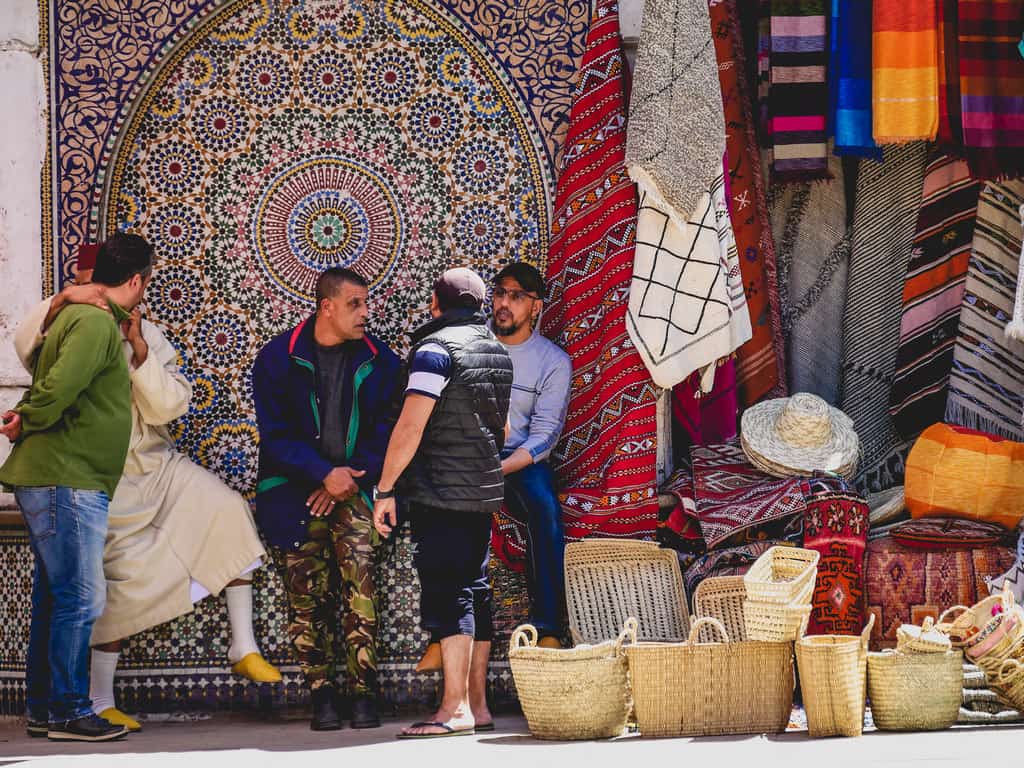 Many travelers wonder if Morocco is open to tourists during Ramadan. The answer is yes. Morocco welcomes visitors all year, including Ramadan. Attractions and services adjust to the day's rhythm, but many stay open for visitors.
Tourism Infrastructure During the Holy Month
During Ramadan, Morocco's tourism setup changes a bit. Hotels, riads, and guesthouses stay open for guests. Restaurants and cafes, aimed at tourists, serve meals discreetly. Museums and historical sites usually open, but hours might change to fit the fasting schedule. Key infrastructure elements to expect during Ramadan:• Hotels and riads: Mostly remain open, with some adjusting their services
• Restaurants: Often serve in discreet or separate areas for non-fasting visitors
• Tourist attractions: Generally stay open, with possible reduced hours
• Transportation: Continues to operate, with some adjustments in schedules
Advantages of Traveling to Morocco During Ramadan
Traveling to Morocco in Ramadan has its perks. Cities feel more peaceful and spiritual, with evenings filled with prayer sounds and food smells. You might also find fewer people at tourist spots, making it easier to explore. Some benefits include:• A more spiritual and serene atmosphere
• Less crowded tourist attractions
• Potential for lower prices in some sectors of the tourism industry
• Opportunities to experience local culture and traditions firsthand
Potential Challenges to Consider
Traveling to Morocco in Ramadan can be rewarding but comes with challenges. Business hours and some attractions might change. It's key to be respectful by dressing modestly and not eating or drinking in public during the day. Tips for navigating challenges:• 1. Plan your day according to the fasting and prayer schedule
• 2. Dress modestly and respect local customs
• 3. Be patient with service providers during fasting hours
• 4. Stay hydrated and energized during your travels
Essential Morocco Ramadan Travel Tips for Planning Your Trip
Traveling to Morocco during Ramadan can be an exciting adventure if you're ready. It's important to plan ahead and understand the unique aspects of this time. This period in the Islamic calendar is significant.Best Time to Book Your Ramadan Visit
Booking your trip early is highly recommended. Ramadan is a busy time for Moroccans, and popular spots can get crowded. Booking early ensures you get the best deals and availability.Choosing the Right Cities and Regions
Morocco is diverse, and some places are better for tourists during Ramadan. Marrakech and Fes are lively, offering many cultural experiences. But, smaller towns like Chefchaouen are more laid-back. Think about what you want from your trip when picking your spots.Accommodation Considerations During Ramadan
Choose hotels or riads that welcome tourists and know what non-fasters need. Some places have Ramadan tents or special iftar meals. Also, check if they have pools or quiet spots for the day.What to Pack for a Ramadan Trip
Packing right is crucial for a comfortable trip. Morocco is warm during Ramadan, so pack lightweight, modest clothing. Bring a scarf or shawl for mosques or conservative areas. And, wear comfy shoes for all the walking. Following these tips will help you have a respectful and fun trip to Morocco during Ramadan. Being prepared will make your experience better and help you connect with the local culture.Visiting Morocco During Ramadan: What to Expect
Morocco changes a lot during Ramadan. It's a time when tradition meets modern hospitality. Knowing what to expect will make your trip better.Daily Schedule Changes You'll Encounter
During Ramadan, Morocco's daily life changes. Altered meal times are common. People eat a pre-dawn meal called suhur and then break their fast at sunset with iftar. This affects many parts of life, like work and travel.Business Hours and Shop Closures
Many shops and businesses might close early or have different hours. This is more common in smaller towns. But, big tourist spots and hotels usually stay open for visitors.Transportation Adjustments
Public transport still runs, but it might not be as often. It's smart to plan ahead. You might want to book a private car or taxi for easier travel.The Atmosphere Before and After Iftar
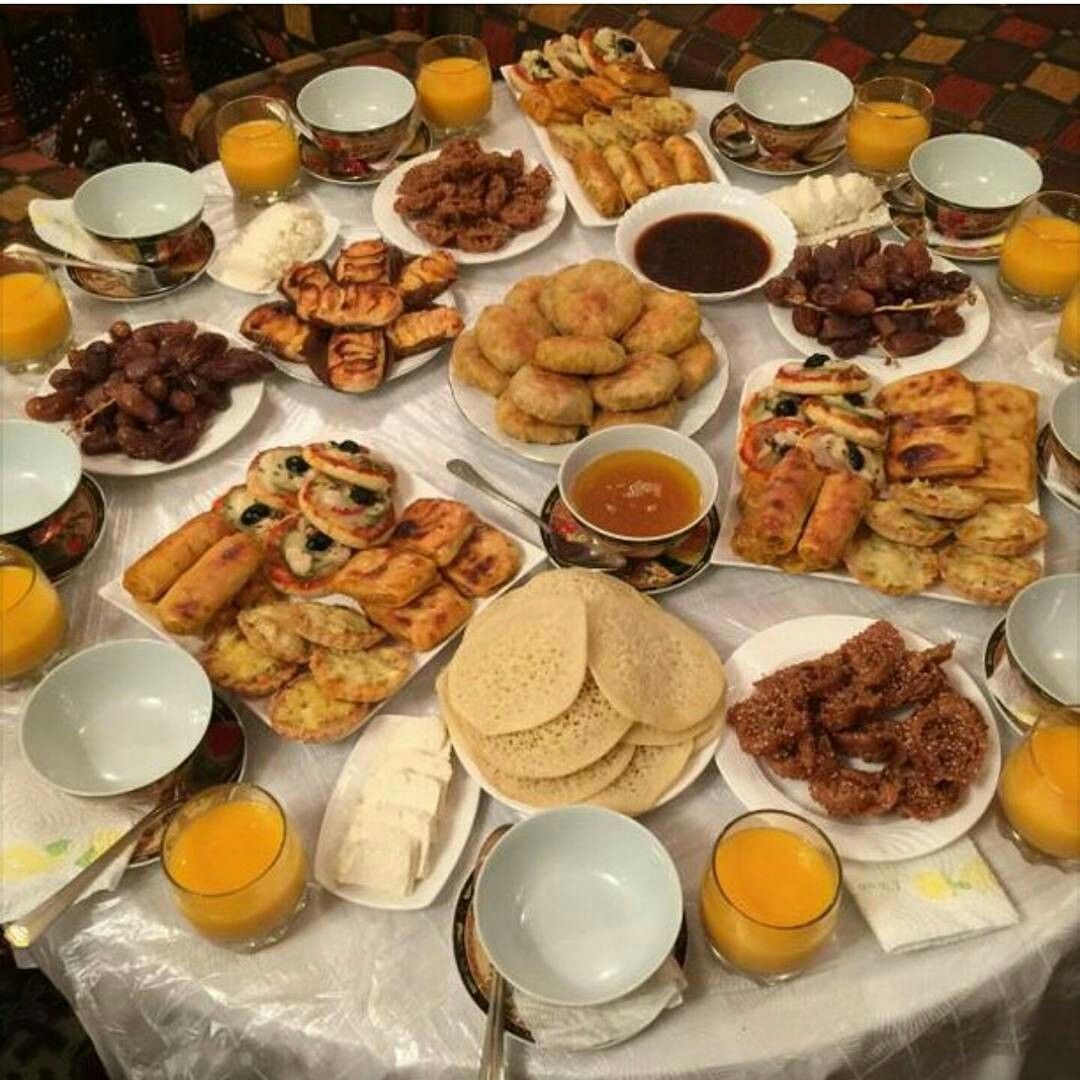 The mood in Morocco is lively before and after iftar. As the sun goes down, streets fill with people. It's a great time to see Moroccan culture and hospitality.
Knowing these changes and respecting local customs will make your visit better. By being ready, you can enjoy the special atmosphere of Ramadan in Morocco.
The mood in Morocco is lively before and after iftar. As the sun goes down, streets fill with people. It's a great time to see Moroccan culture and hospitality.
Knowing these changes and respecting local customs will make your visit better. By being ready, you can enjoy the special atmosphere of Ramadan in Morocco.
Can Tourists Eat During Ramadan in Morocco
Visitors to Morocco during Ramadan often wonder if they can eat during the day. The answer lies in understanding the legal and cultural aspects. While fasting is key for Muslims during Ramadan, tourists don't have to fast. Yet, they should respect the local customs and traditions.The Legal and Cultural Reality
In Morocco, there's no strict law against non-Muslims eating in public during Ramadan. It's considered polite to avoid eating, drinking, and smoking in public during daylight. This shows respect for the fasting month and its spiritual atmosphere. Moroccan law doesn't explicitly ban non-Muslims from eating in public during Ramadan. But eating in public can be seen as insensitive. Tourists can eat and drink discreetly in hotels or designated areas without offending locals.Where to Find Food During Daylight Hours
Even though many restaurants and cafes close during the day, tourists have options. Hotels often provide meals in their restaurants or through room service. Some cities also have areas with cafes and restaurants open or offering discreet dining options.• Hotel restaurants and room service
• Tourist-friendly cafes with discreet dining areas
• Special areas designated for non-fasting visitors
Hotel Dining Options for Non-Fasting Visitors
Most hotels in Morocco cater to international guests during Ramadan. They offer:• Private dining areas for discreet meals
• Room service for guest convenience
• Special iftar (break-fast) meals in communal settings It's wise to check with your hotel ahead of time to know their Ramadan offerings.
Discreet Eating Guidelines
If you need to eat during the day, follow these guidelines to be respectful:• Eat in your hotel room or designated dining areas
• Avoid eating on the street or in public places
• Be mindful of your surroundings and avoid drawing attention to your eating By being considerate of local customs, you can enjoy Morocco during Ramadan while respecting its culture and religion.
Morocco Ramadan Etiquette: Respecting Local Customs
Visiting Morocco during Ramadan means understanding and respecting local customs. Morocco is mostly Muslim, and Ramadan is very sacred. Being mindful of local etiquette shows respect and makes your trip better.Dress Code Expectations During Ramadan
Dressing modestly is key during Ramadan. Cover your shoulders and knees in cities, towns, and religious sites. Women might need a scarf to cover their hair at mosques or cultural events. Even in tourist spots, dressing modestly shows respect. Choose lightweight, breathable clothes because Ramadan can be hot.Public Behavior Guidelines
Be considerate of those fasting in public. Avoid eating, drinking, or smoking in daylight as it's seen as disrespectful. Keep your body language and voice respectful.• Don't show public affection.
• Be patient and understanding with fasting locals.
• Respect local customs and traditions.
Photography Considerations
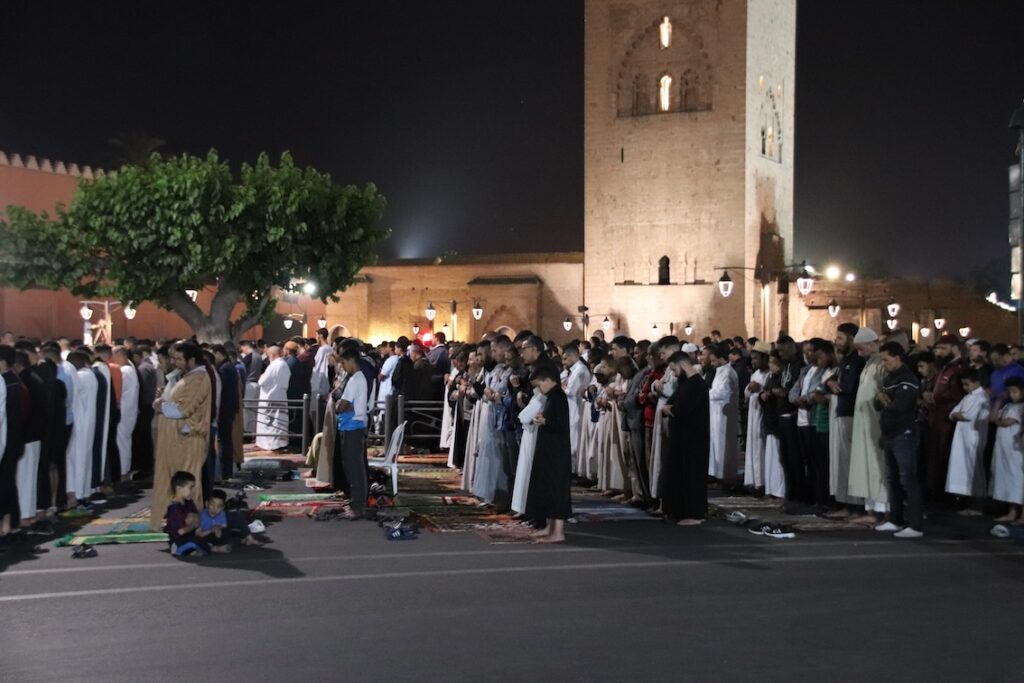 Be careful and respectful with your camera. Avoid pictures of people fasting or praying as it's intrusive. Always ask for permission before taking someone's photo, and be ready for some to say no.
Be discreet when taking photos near mosques or during religious events.
Be careful and respectful with your camera. Avoid pictures of people fasting or praying as it's intrusive. Always ask for permission before taking someone's photo, and be ready for some to say no.
Be discreet when taking photos near mosques or during religious events.
Appropriate Greetings and Phrases to Learn
Learning basic Arabic phrases shows respect. "Ramadan Mubarak" (Blessed Ramadan) is a common greeting. Saying "Shukraan" (Thank you) shows gratitude for hospitality. Useful phrases include "As-salamu alaykum" (Peace be upon you). You might get "Wa alaykum as-salam" (And upon you be peace) in return.Navigating Restaurants and Food Establishments
Morocco's food scene changes a lot during Ramadan. Knowing what to expect can make your dining better. Many places adjust their hours, but some stay open for tourists and locals.Which Restaurants Stay Open
In Ramadan, many restaurants in tourist spots keep their doors open, but with different hours. High-end hotels and resorts usually stick to their usual times. This is great for travelers who aren't fasting. Some places open only for iftar and suhur. Others might be open all day but with simpler menus.• Upscale hotels usually keep their restaurants open.
• Tourist-oriented restaurants may adjust their hours.
• Local eateries might have limited hours or menus.
Tourist-Friendly Dining Areas
Some places in Morocco are better for tourists during Ramadan. Marrakech's Jemaa el-Fnaa and similar spots in other cities stay lively. Food stalls and restaurants open late, offering local food and a cultural dive. Some key spots for tourists include:• 1. Major cities like Marrakech, Fez, and Rabat.
• 2. Tourist hotspots and medinas.
• 3. Areas around major landmarks and hotels.
What Happens to Street Food Vendors
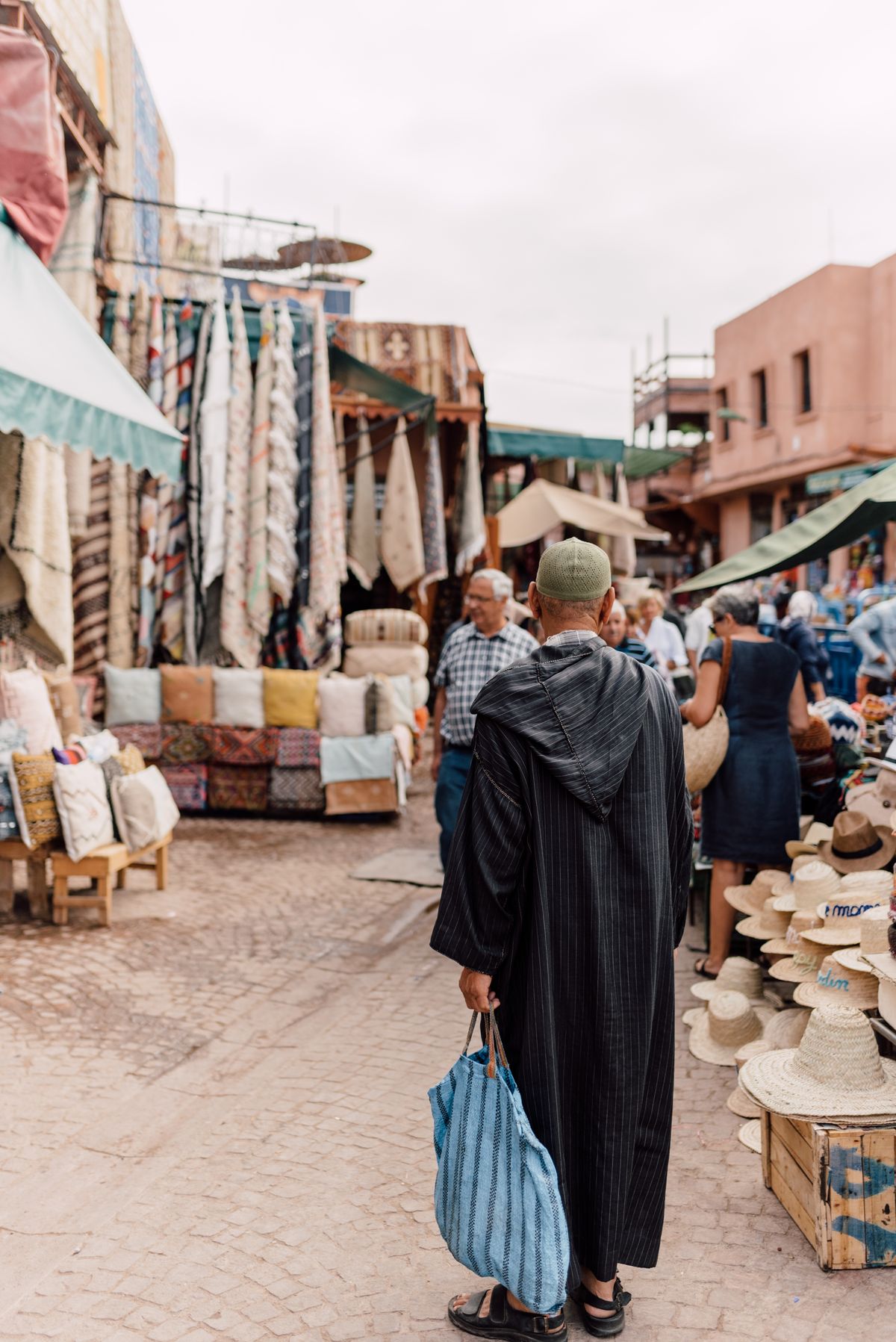 Street food vendors change their hours in Ramadan. Some close during the day, but others stay open, mainly in tourist areas. You can find Ramadan treats like chebakia and zlabia.
For street food in Ramadan:
Street food vendors change their hours in Ramadan. Some close during the day, but others stay open, mainly in tourist areas. You can find Ramadan treats like chebakia and zlabia.
For street food in Ramadan:
• Expect vendors mainly in tourist areas.
• Look for traditional Ramadan sweets and snacks.
• Be mindful of local customs and eating discreetly if you're not fasting.
Experiencing Iftar: The Breaking of the Fast
Iftar in Morocco is a special moment. It's filled with traditional foods, warm hospitality, and a sense of community. As a tourist, you get to be part of this important Ramadan tradition.What Iftar Means and When It Happens
Iftar is the meal Muslims eat to break their fast after sunset. It happens when the Maghrib call to prayer starts. This usually happens about 30 minutes after sunset, but the exact time changes each day.Traditional Iftar Foods to Try
Moroccan iftar tables are full of variety and richness. You'll find dates, olives, and harira (a hearty soup) often. Chebakia (a sweet pastry) and savory pastries are also common. These foods help replenish energy and start the evening right. Some must-try dishes during iftar include:• Dates and olives
• Harira soup
• Chebakia and other sweet pastries
• Savory pastries like b'stilla or samboussa
Where Tourists Can Join Iftar Meals
Many restaurants and hotels in Morocco offer iftar meals during Ramadan. These can be simple or elaborate buffets. Some tour operators also organize iftar experiences with cultural activities and tours. Tips for joining iftar meals:• 1. Check with your hotel or local tour operators for iftar meal options.
• 2. Be prepared for a potentially large and varied meal.
• 3. Respect local customs and dress modestly.
Iftar Etiquette for Non-Muslim Guests
When you're invited to or join an iftar meal, be respectful. Dress modestly, be mindful of your behavior, and appreciate the meal's preparation. While fasting is not expected of you, being considerate of those who are is important. Showing gratitude and interest in the local culture can make your iftar experience enjoyable and memorable.Unique Cultural Experiences During Ramadan
Morocco during Ramadan is a vibrant place, full of cultural experiences. It's not just about fasting but also diving into local traditions. Traveling through Morocco in Ramadan lets you see the country's rich heritage. You'll find many unique cultural experiences.Attending Evening Tarawih Prayers
Attending Tarawih prayers in the evening is a deep experience. Mosques across the country hold these prayers. It's a beautiful sight of people coming together spiritually. Many mosques welcome visitors. Just remember to dress modestly and be respectful.Exploring Night Markets and Ramadan Bazaars
Nights in Morocco during Ramadan are filled with life. Night markets and Ramadan bazaars are bustling. You can find traditional items and tasty food here. These markets are great for experiencing local culture and finding unique souvenirs.Witnessing the Cannon Firing Tradition
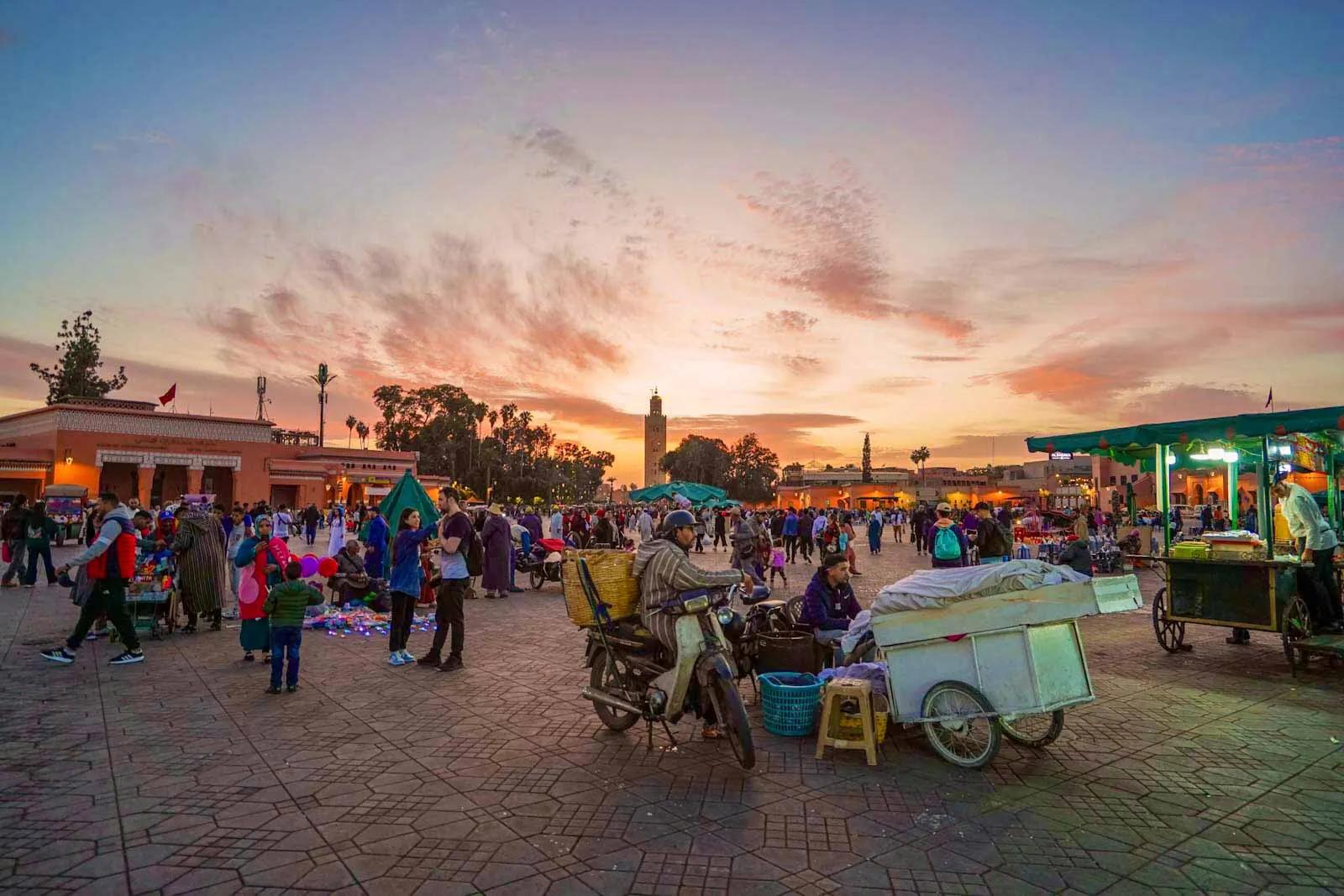 The cannon firing tradition marks the end of fasting. It's a tradition from the 17th century. In Marrakech, it's a big celebration, signaling iftar.
Watching the cannon firing is memorable. It's perfect for families or those looking for a special photo.
The cannon firing tradition marks the end of fasting. It's a tradition from the 17th century. In Marrakech, it's a big celebration, signaling iftar.
Watching the cannon firing is memorable. It's perfect for families or those looking for a special photo.
Charity and Community Spirit Observations
Ramadan brings out the best in Morocco, with more charity and community spirit. People are kinder and more generous. It's a time for giving to those in need. Seeing or taking part in these acts shows the values of Moroccan society during Ramadan.Visiting Moroccan Attractions During Ramadan
Ramadan in Morocco doesn't mean you have to miss out on the country's iconic landmarks and cultural experiences. While some attractions may have altered hours or rules, many remain accessible to tourists. Understanding what to expect can help you plan your itinerary effectively.Mosque Visiting Rules and Changes
Visiting mosques during Ramadan can be a unique experience, but it's essential to be aware of the rules and any changes. Some mosques may have restricted access or special visiting hours.• Check with local guides or tour operators for the most current information on mosque visits.
• Dress modestly and be prepared for potential changes in visiting hours.
• Some mosques may be closed to visitors during prayer times.
Museums and Historical Sites Access
Museums and historical sites generally remain open during Ramadan, though their hours might be adjusted. Key Points to Consider:• Verify opening hours in advance, as they may be reduced.
• Some sites may offer extended hours during the evening, coinciding with the breaking of the fast.
• Guided tours can provide valuable insights into Morocco's history and culture.
Medina Shopping During Fasting Hours
Shopping in medinas can be a vibrant experience, but during Ramadan, the atmosphere changes. While some shops may close early or operate on reduced hours, many remain open, catering to tourists and locals alike.• Be prepared for a more subdued atmosphere during fasting hours.
• Negotiating prices might be more relaxed as vendors prepare for Iftar.
• Look out for special Ramadan goods and crafts.
City-Specific Ramadan Guidance
Morocco's cities each have their own unique Ramadan experience. As you travel, you'll find different traditions and atmospheres. This makes each city special during the holy month.Marrakech During Ramadan
Marrakech is lively, but Ramadan brings a calm during the day. Expect:• Many restaurants and cafes closed during daylight
• A buzz in the evenings, around iftar time
• Traditional tarawih prayers in the evenings Riads and hotels in Marrakech offer iftar meals and amenities for tourists.
Fes and Its Traditional Observance
Fes is known for its rich history and traditional Ramadan. Be ready for:• Earlier closures of shops and businesses
• A focus on religious observance, with tarawih prayers
• Traditional Fassi cuisine during iftar Fes's old medina is peaceful during Ramadan. It's perfect for exploring historic streets and landmarks.
Casablanca's Modern Approach
Casablanca is Morocco's modern hub, offering a unique Ramadan. Expect:• A blend of modern and traditional Ramadan
• Upscale hotels and restaurants for tourists and business travelers
• Cultural events and iftar gatherings Casablanca is great for a modern Moroccan Ramadan experience.
Chefchaouen and Smaller Towns
Smaller towns like Chefchaouen offer a relaxed Ramadan. You'll notice:• A strong sense of community, with locals gathering for iftar and tarawih
• Fewer tourists, making it easier to connect with locals
• A welcoming atmosphere, with locals inviting visitors for iftar meals Visiting smaller towns during Ramadan offers a deeper cultural experience. Knowing the differences between cities helps plan your Ramadan trip to Morocco. It ensures you respect local customs and enjoy your visit.
Morocco Ramadan Travel Advice for Different Traveler Types
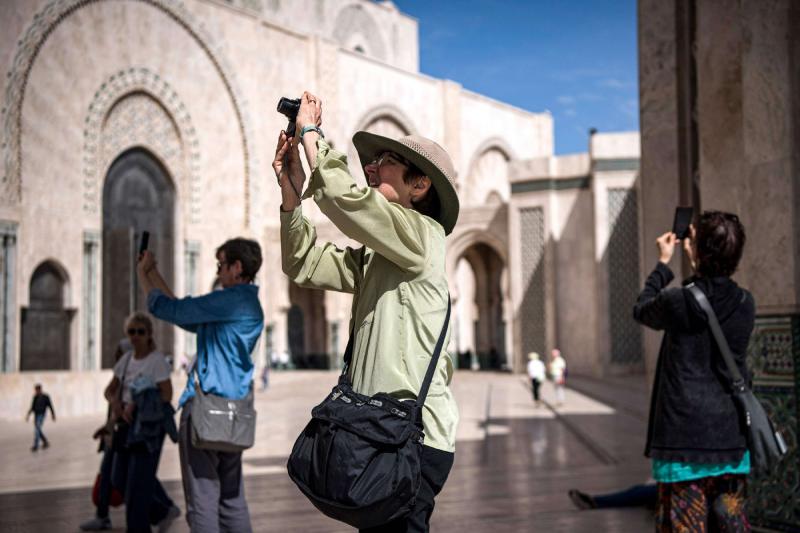 Ramadan in Morocco changes the travel scene. Knowing what to expect is key for solo travelers, families, and those on a budget. Morocco's rich culture and warm people make it special during Ramadan. Understanding Ramadan travel tips can help you enjoy Morocco more, no matter your travel style.
Solo Travelers During Ramadan
Solo travel in Morocco during Ramadan is deeply rewarding. The quiet atmosphere and locals' eagerness to share their culture are unique. Yet, it's crucial to be cautious:• Be aware of your surroundings, mainly before iftar when people prepare to break their fast.
• Joining group tours or activities is a great way to meet others and enjoy local culture.
• Wear modest and respectful clothing, as Morocco is more conservative during Ramadan. Solo travelers might find fewer crowds in tourist spots, making it easier to explore.
Families with Children Considerations
Traveling with kids in Ramadan needs some planning. Moroccans are welcoming, but fasting can be hard for non-fasting children. Here are some tips:• 1. Plan your day around your kids' energy and iftar times.
• 2. Be ready for some places to be closed during the day and plan meals.
• 3. Teach your kids about Ramadan and encourage them to respect local traditions. Many hotels and riads are family-friendly, offering good accommodations and meals for families.
Budget Travelers and Cost Implications
For budget travelers, Ramadan has its ups and downs. Some costs, like staying, might stay the same, but food and activities can change. Here are some budget tips:• Look for iftar deals at restaurants, a cheap way to try local food.
• Choose accommodations that include iftar or suhoor in their package.
• Be ready for higher prices in tourist spots, mainly during iftar. Budget travelers can enjoy Morocco's history and culture without the usual prices due to fewer crowds.
Things to Know About Ramadan Morocco: Practical Tips
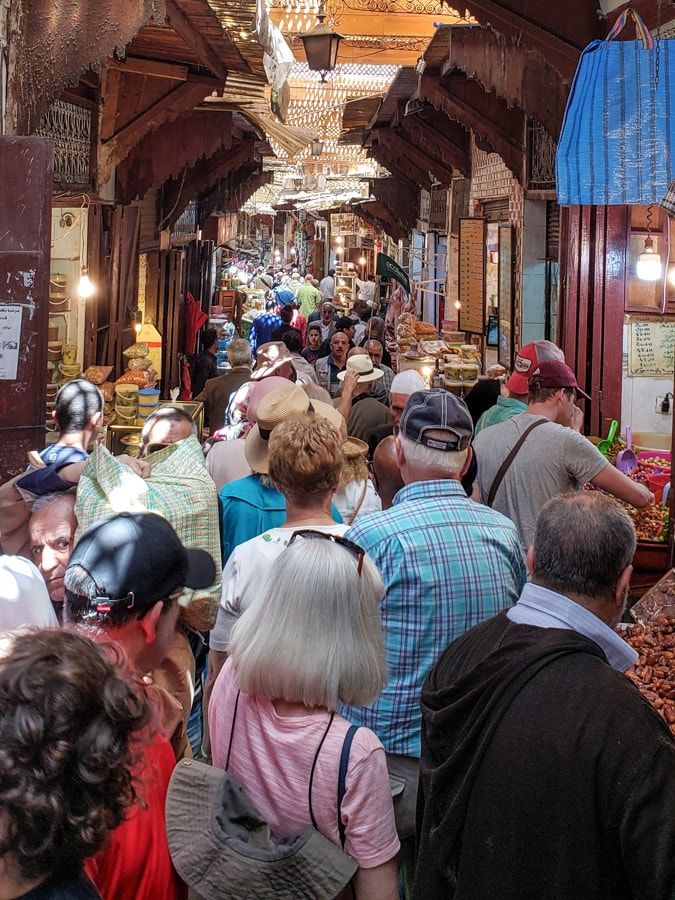 Traveling to Morocco during Ramadan can be a unique experience. Knowing a few practical tips can make your trip better. Morocco during Ramadan is a mix of spiritual reflection and cultural celebrations.
Stay Hydrated Discreetly
It's important to stay hydrated, but do it discreetly. You can drink water in your hotel or in places where eating and drinking are allowed. Carry a refillable water bottle for private spaces.Plan Activities Around Prayer Times
Knowing the daily schedule during Ramadan is key. Prayer times affect the day's rhythm. Plan your sightseeing around these times for a better day. Visit popular spots early in the morning or after Iftar. This can be a good strategy.Carry Snacks and Water
It might be hard to find food during the day. Carry snacks and water, but choose discreet, non-perishable items. This helps keep your energy up without drawing attention.Be Patient with Slower Service
Service can be slower during Ramadan. Being patient and understanding is important. Remember, locals are adjusting to a new routine too.Take Advantage of Quieter Mornings
Traveling during Ramadan means fewer crowds. Mornings are quieter, perfect for visiting famous spots. Enjoy the calm and take memorable photos. By following these tips, you can enjoy Morocco during Ramadan. It's a time for spiritual growth and community. With the right mindset, you'll have a rewarding experience. Key Takeaways:• Stay hydrated discreetly to respect those fasting.
• Plan your activities around prayer times for a smoother experience.
• Carry snacks and water for emergencies, but consume them discreetly.
• Be patient with service staff who may be fasting or adjusting their routines.
• Enjoy the quieter mornings to explore popular attractions without the crowds.