
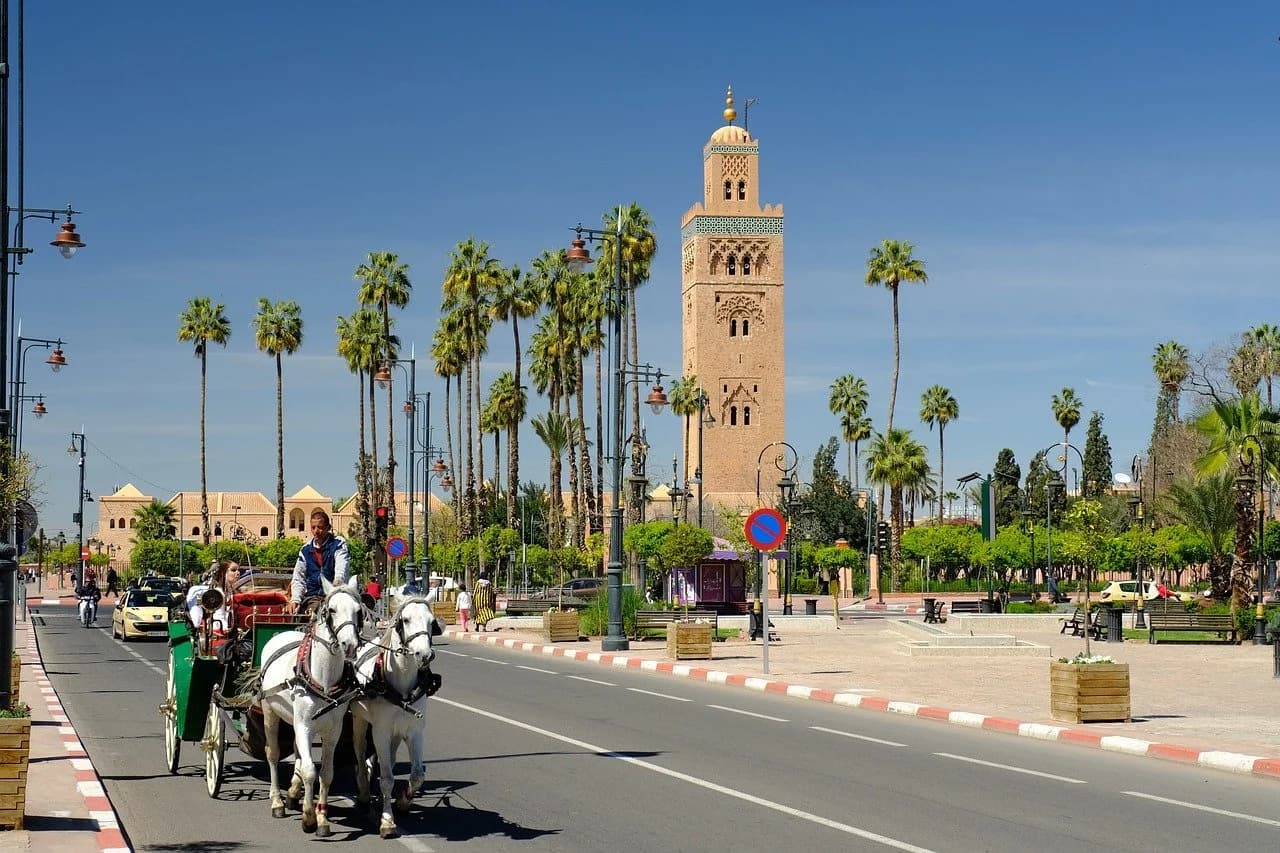
Traveling to Morocco is an exciting adventure. But, it's important to prepare well for a smooth trip. As you plan your _Moroccan adventure_, knowing what to expect is key.
This guide will help you get ready for your trip to this lively country. You'll learn about planning, preparation, and exploring its cities and culture.
Whether you're a seasoned _traveler_ or new to planning trips, this article has valuable insights. It offers practical tips to make your journey unforgettable.
 Morocco's weather changes a lot from north to south and coast to desert. Spring (March to May) and autumn (September to November) are the best times. The weather is mild and nice in most places then.
Spring is great for the mountains and seeing flowers. Autumn is best for the desert without summer's heat. Summer is very hot, and winters can be cool, mainly in the mountains.
Morocco's weather changes a lot from north to south and coast to desert. Spring (March to May) and autumn (September to November) are the best times. The weather is mild and nice in most places then.
Spring is great for the mountains and seeing flowers. Autumn is best for the desert without summer's heat. Summer is very hot, and winters can be cool, mainly in the mountains.
• Make digital copies of your passport, visa (if needed), and travel insurance. Leave a copy with someone you trust back home.
• Sign up with your government's travel advisory to get safety updates.
• Learn about local customs, like during Ramadan and other big cultural events. Plan ahead and be ready to enjoy your Moroccan adventure fully.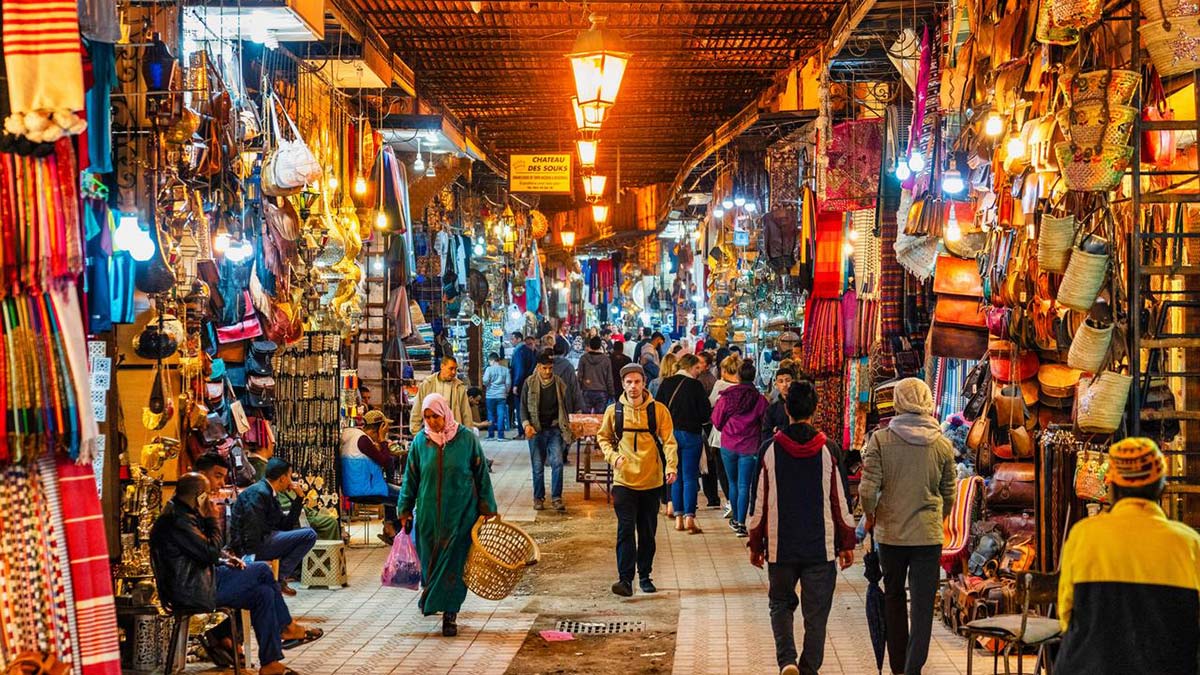 Moroccans are very welcoming, but it's important to respect their ways. When saying hello, a handshake or a kiss on both cheeks is common. But, men and women should avoid touching in public.
Some key customs to keep in mind include:
Moroccans are very welcoming, but it's important to respect their ways. When saying hello, a handshake or a kiss on both cheeks is common. But, men and women should avoid touching in public.
Some key customs to keep in mind include:
• Using your right hand when eating or giving/receiving something
• Avoiding public displays of affection
• Being respectful when taking photos of locals, specially in rural areas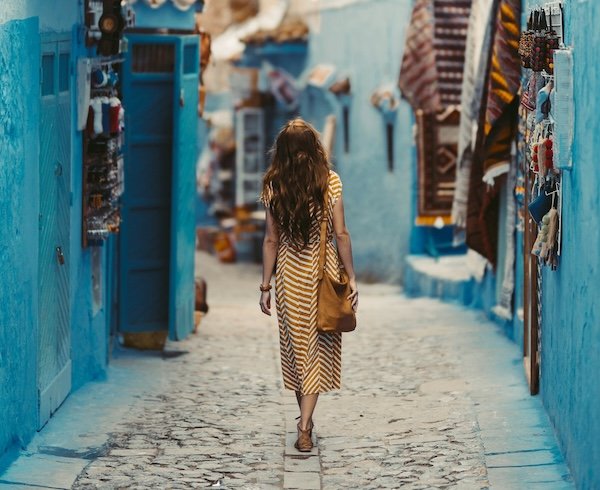 Dressing modestly is a good idea, more so in rural areas or mosques. Women should cover their shoulders and knees. Men should wear long pants and shirts with sleeves. In cities like Marrakech and Rabat, the rules are a bit more relaxed, but still, dressing modestly is appreciated.
_Think about packing clothes that are both comfy and respectful_. Lightweight scarves or shawls are great for covering up when needed.
Dressing modestly is a good idea, more so in rural areas or mosques. Women should cover their shoulders and knees. Men should wear long pants and shirts with sleeves. In cities like Marrakech and Rabat, the rules are a bit more relaxed, but still, dressing modestly is appreciated.
_Think about packing clothes that are both comfy and respectful_. Lightweight scarves or shawls are great for covering up when needed.
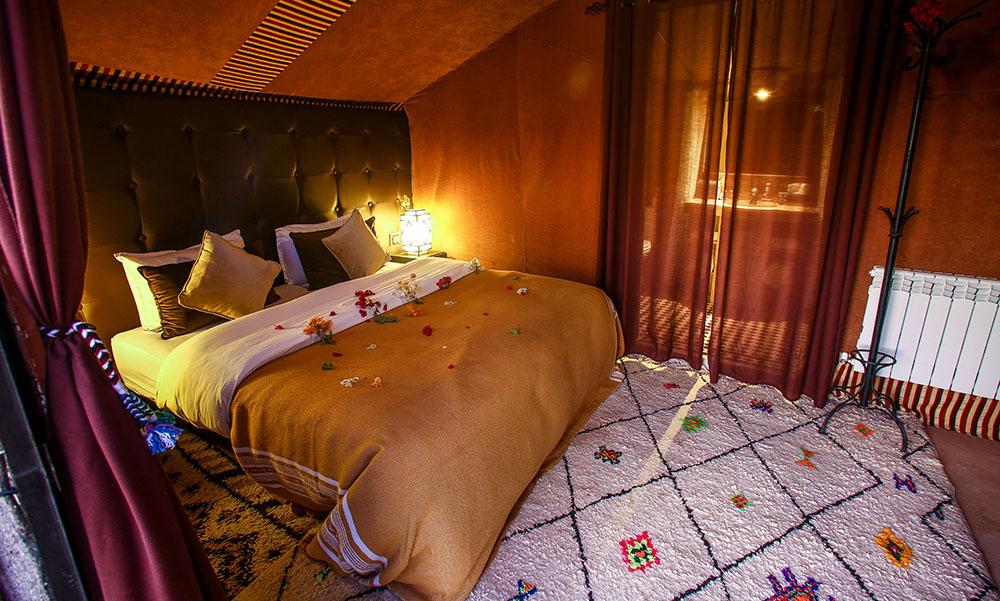 Riads are a key part of Moroccan architecture. They have beautiful gardens and detailed designs. Staying in a riad lets you dive into local culture.
Many riads are in old medinas. This makes it easy to visit historical sites and markets. Look at location, amenities, and reviews to pick the right riad.
Riads are a key part of Moroccan architecture. They have beautiful gardens and detailed designs. Staying in a riad lets you dive into local culture.
Many riads are in old medinas. This makes it easy to visit historical sites and markets. Look at location, amenities, and reviews to pick the right riad.
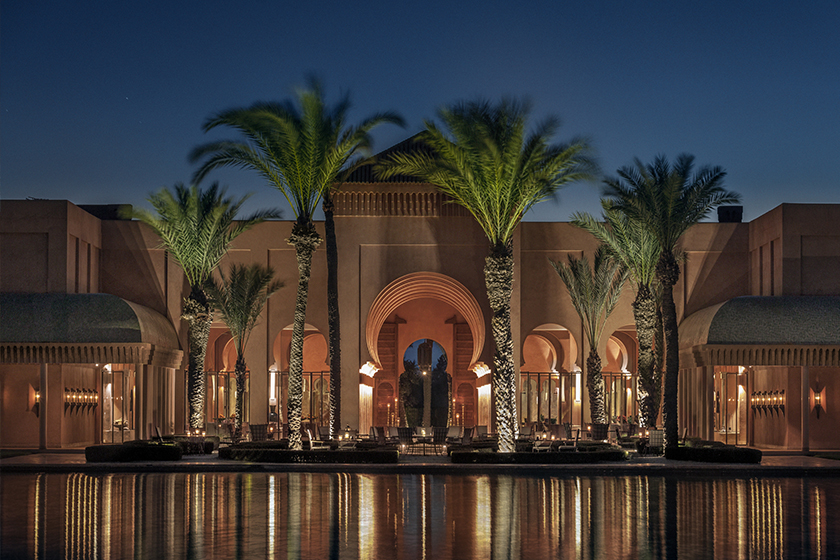 Morocco has many hotels and resorts. You can find boutique hotels in cities or luxury resorts by the sea. _Luxury hotels_ have top-notch amenities like spas and fine dining.
When choosing, think about location, service, and amenities. This ensures a comfortable stay.
Morocco has many hotels and resorts. You can find boutique hotels in cities or luxury resorts by the sea. _Luxury hotels_ have top-notch amenities like spas and fine dining.
When choosing, think about location, service, and amenities. This ensures a comfortable stay.
• Lightweight and breathable clothing
• Warm layers for cooler mornings and evenings
• Comfortable walking shoes or sandals
• Modest clothing that covers shoulders and knees
• Portable charger and power bank
• Universal power adapter for Morocco
• Waterproof phone case
• Laptop or tablet (if necessary)
• Travel health kit with basic medications
• Refillable water bottle
• Hand sanitizer
• Moist towelettes or baby wipes With these essentials, you'll be ready to enjoy Morocco's culture, landscapes, and hospitality. You'll have a stress-free trip.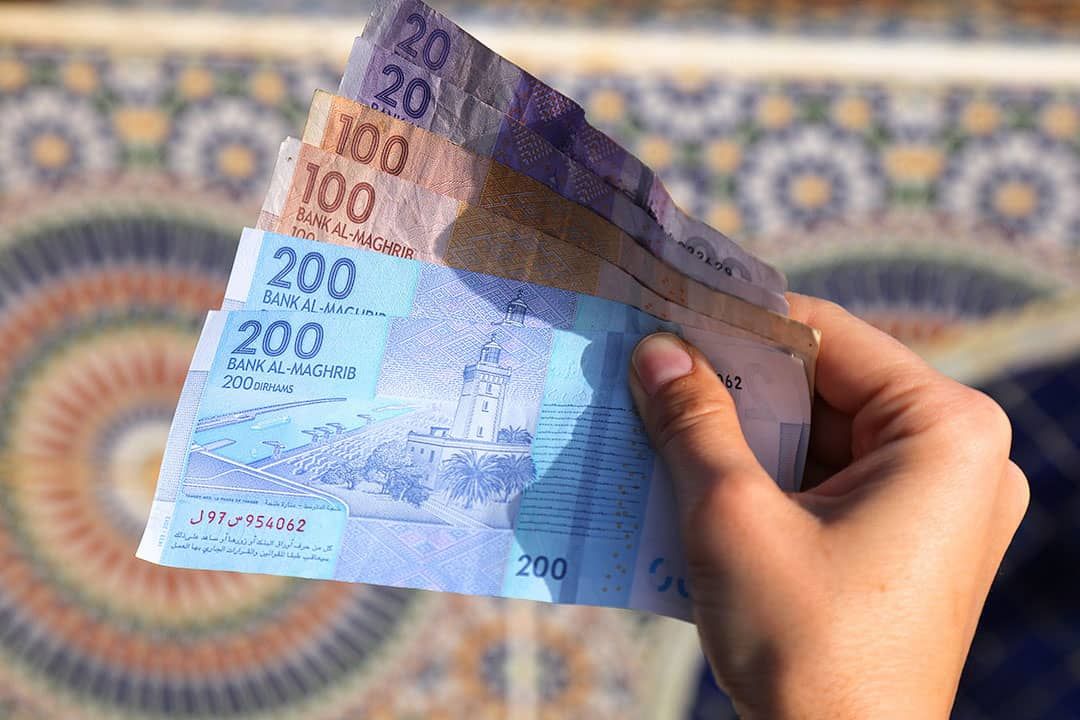 Before you start your Moroccan adventure, it's key to know about the local money and budgeting. Morocco uses the dirham as its currency. Knowing its value and how to get your money will help your trip go smoothly.
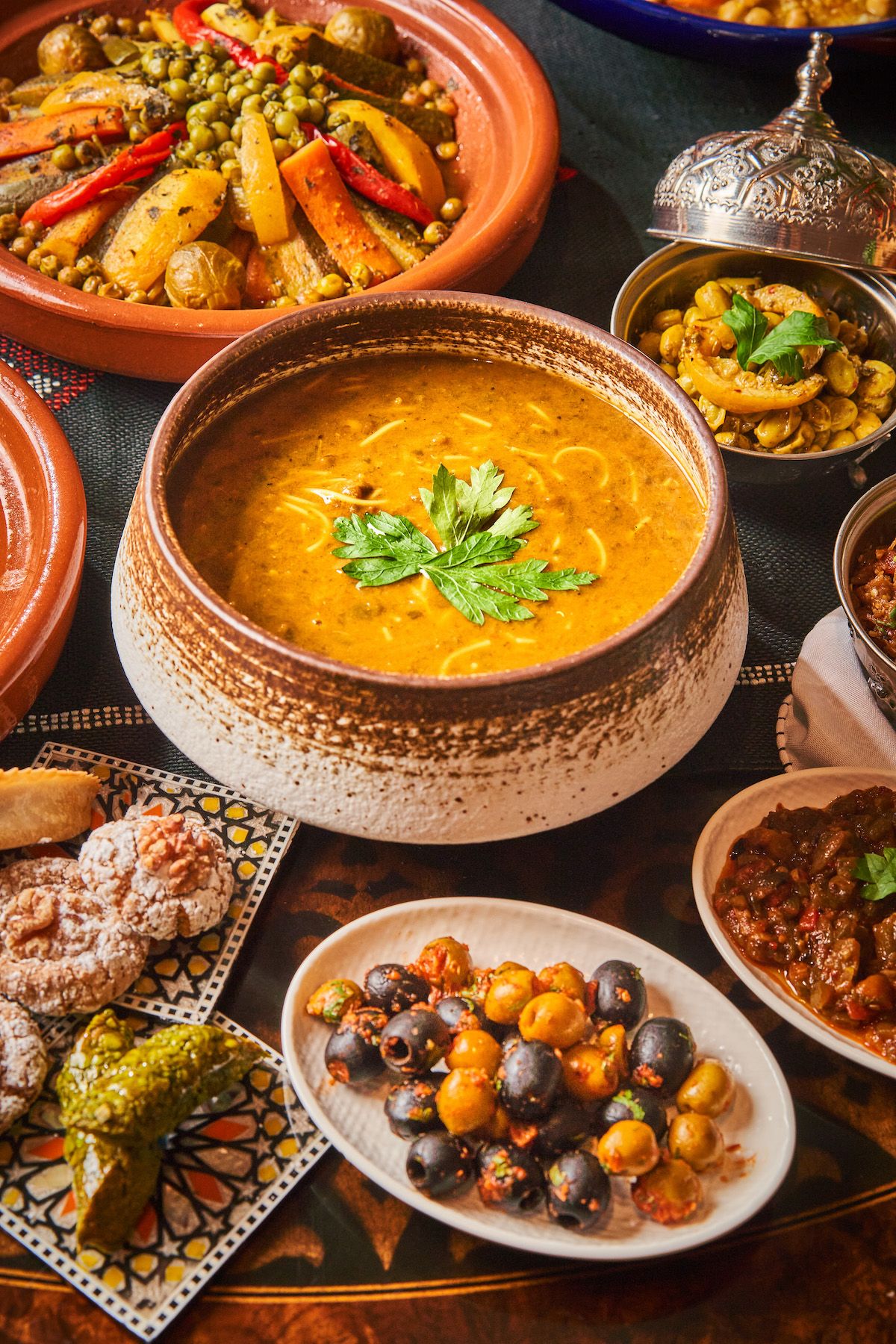 Moroccan food is a journey for your senses. It combines spices, herbs, and traditions from different cultures. Exploring local dishes, you'll find a mix of flavors that show the country's history and cultural diversity.
• Tagine: A slow-cooked stew made with meat, vegetables, and dried fruits.
• Couscous: A traditional North African dish made from semolina flour.
• Harira: A hearty soup that's a staple during Ramadan.
• Appreciate the food and company.
• Try a bit of everything offered.
• Chat and enjoy the warm welcome.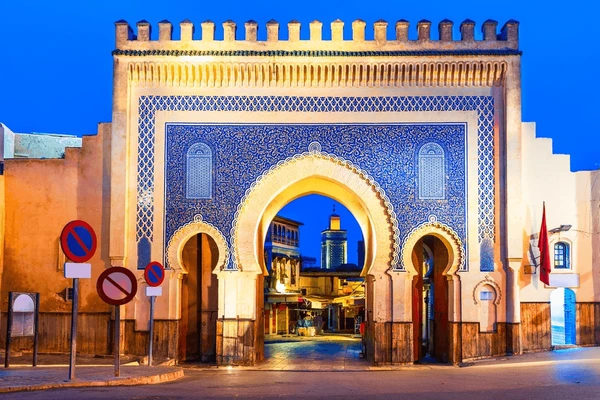 The imperial cities show Morocco's rich history and stunning buildings. Marrakech is famous for its lively souks and grand palaces. _Fes_ has one of the oldest universities and a medieval old city.
Rabat, the capital, has important historical sites. Meknes is more relaxed, with ancient ruins and markets.
The imperial cities show Morocco's rich history and stunning buildings. Marrakech is famous for its lively souks and grand palaces. _Fes_ has one of the oldest universities and a medieval old city.
Rabat, the capital, has important historical sites. Meknes is more relaxed, with ancient ruins and markets.
• Explore Marrakech's vibrant souks and Jemaa el-Fnaa square.
• Visit the ancient university in Fes.
• Discover Rabat's historical sites and cultural landmarks.
• Enjoy Meknes's laid-back atmosphere and historical ruins.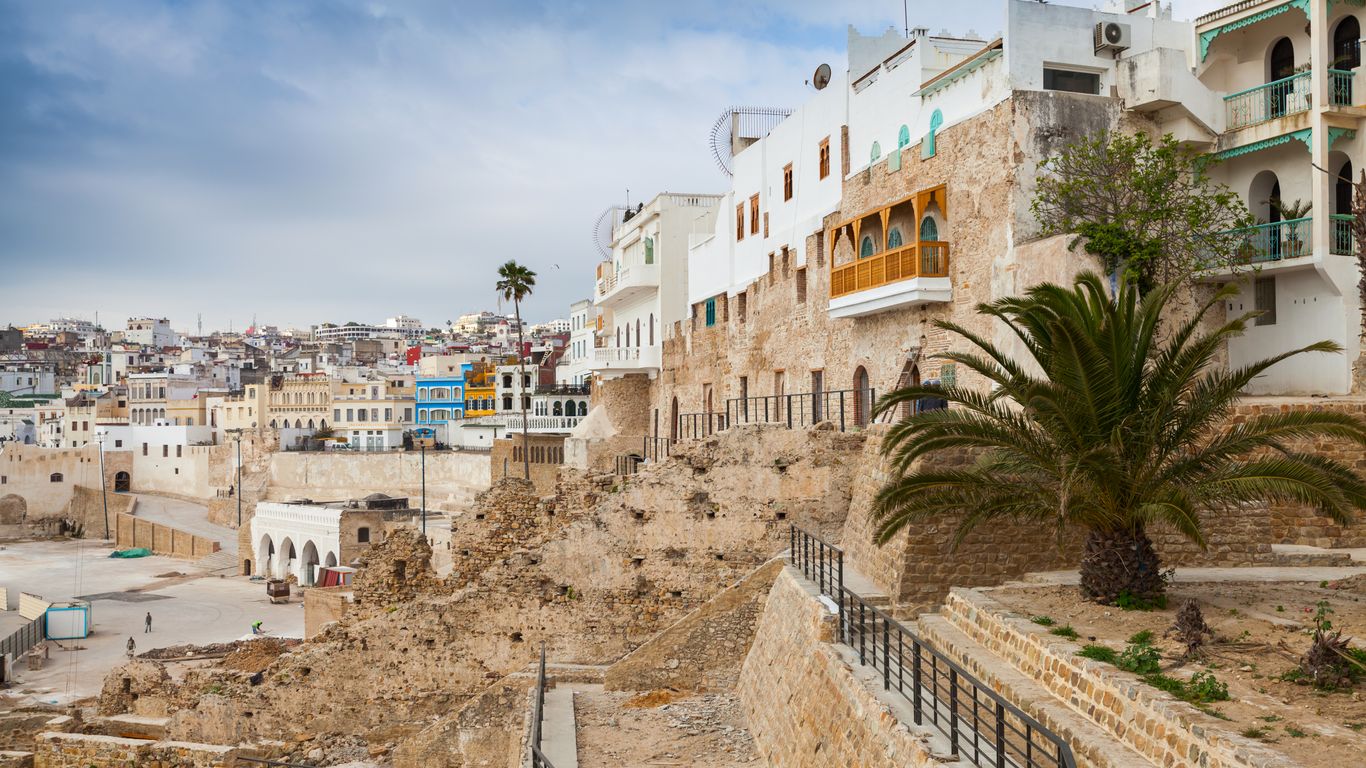 Morocco's coast has charming towns for relaxation, culture, and adventure. Essaouira is perfect for artists and surfers, with windy beaches and a lively arts scene. _Casablanca_ is the economic hub, known for modern architecture and landmarks like the Hassan II Mosque.
Tangier is at the crossroads of Africa and Europe. It has a unique culture and stunning coastal views.
1.1 Relax on Essaouira's beaches and explore its ramparts.
2.2 Visit the Hassan II Mosque in Casablanca.
3.3 Explore Tangier's kasbah and enjoy its coastal views.
Morocco's coast has charming towns for relaxation, culture, and adventure. Essaouira is perfect for artists and surfers, with windy beaches and a lively arts scene. _Casablanca_ is the economic hub, known for modern architecture and landmarks like the Hassan II Mosque.
Tangier is at the crossroads of Africa and Europe. It has a unique culture and stunning coastal views.
1.1 Relax on Essaouira's beaches and explore its ramparts.
2.2 Visit the Hassan II Mosque in Casablanca.
3.3 Explore Tangier's kasbah and enjoy its coastal views.
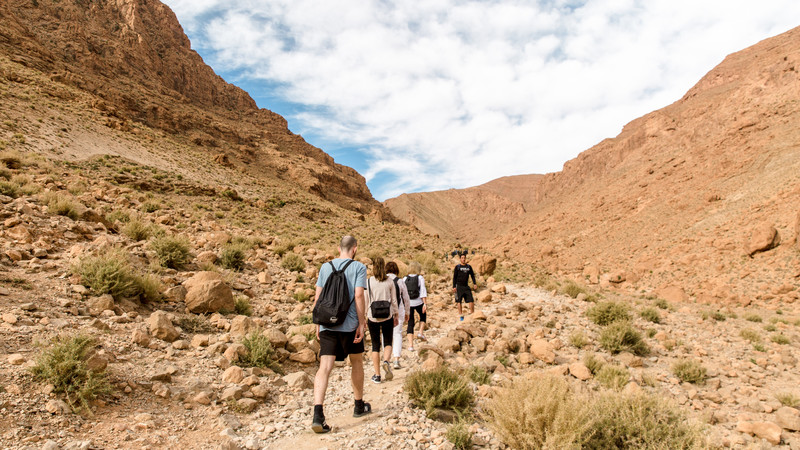 The Sahara Desert and _Atlas Mountains_ offer amazing adventures. Take a camel trek through the desert dunes. Spend a night under the stars in a traditional Berber camp.
Hike through the Atlas Mountains. Explore traditional villages and enjoy breathtaking views.
The Sahara Desert and _Atlas Mountains_ offer amazing adventures. Take a camel trek through the desert dunes. Spend a night under the stars in a traditional Berber camp.
Hike through the Atlas Mountains. Explore traditional villages and enjoy breathtaking views.
• Take a camel trek through the Sahara Desert.
• Stay in a traditional Berber camp.
• Hike through the Atlas Mountains and explore local villages. Morocco has something for everyone, with cultural, historical, and natural wonders. For more Morocco travel tips and insights, keep exploring our guide.
Planning Your Moroccan Adventure
Getting ready for your Moroccan trip means careful planning. Morocco is full of history, culture, and beautiful landscapes. It's a great place for travelers to explore. Think about the best time to visit, visa needs, and documents you'll need. Let's look at the details to help plan your Moroccan trip well.Best Time to Visit Morocco
Morocco's weather changes a lot from north to south and coast to desert. Spring (March to May) and autumn (September to November) are the best times. The weather is mild and nice in most places then.
Spring is great for the mountains and seeing flowers. Autumn is best for the desert without summer's heat. Summer is very hot, and winters can be cool, mainly in the mountains.
Visa Requirements for American Travelers
For Americans, getting a visa for Morocco is easy. U.S. citizens usually don't need a visa for up to 90 days for tourism or business. Make sure your passport is valid for at least six months after you leave Morocco. Always check the latest visa rules before you go, as they can change.Essential Documents and Preparations
There are more things to think about than just visas. Make sure your passport is current. Think about getting travel insurance that covers Morocco.• Make digital copies of your passport, visa (if needed), and travel insurance. Leave a copy with someone you trust back home.
• Sign up with your government's travel advisory to get safety updates.
• Learn about local customs, like during Ramadan and other big cultural events. Plan ahead and be ready to enjoy your Moroccan adventure fully.
Essential Morocco Travel Tips for First-Time Visitors
To enjoy your trip to Morocco, understanding local customs is key. Morocco values its rich culture and is conservative. Being respectful of these values can make your visit better.Cultural Etiquette and Customs
Moroccans are very welcoming, but it's important to respect their ways. When saying hello, a handshake or a kiss on both cheeks is common. But, men and women should avoid touching in public.
Some key customs to keep in mind include:
• Using your right hand when eating or giving/receiving something
• Avoiding public displays of affection
• Being respectful when taking photos of locals, specially in rural areas
Dress Code Recommendations
Dressing modestly is a good idea, more so in rural areas or mosques. Women should cover their shoulders and knees. Men should wear long pants and shirts with sleeves. In cities like Marrakech and Rabat, the rules are a bit more relaxed, but still, dressing modestly is appreciated.
_Think about packing clothes that are both comfy and respectful_. Lightweight scarves or shawls are great for covering up when needed.
Religious Considerations During Ramadan and Beyond
Morocco is an Islamic country, and Ramadan is a holy month of fasting. You should avoid eating, drinking, and smoking in public during the day. Tourists don't have to fast, but showing respect for those who do is important. Also, some places might close early during Ramadan. Planning ahead and being flexible can help you avoid any travel issues.Navigating Morocco: Transportation Guide
Getting around Morocco is easy thanks to its good transportation system. You can explore Marrakech's busy streets or visit Essaouira by the coast. There are many ways to travel.Getting Around Cities: Taxis, Buses, and Trams
In cities, you can use taxis, buses, and trams. Taxis are cheap and easy to find. There are petite taxis for short trips and grand taxis for longer ones or shared rides. Many cities have modern trams too. In Marrakech, trams help you reach many places. For short trips, petite taxis are best.Intercity Travel: Trains, Buses, and Grand Taxis
For trips between cities, you can take trains, buses, or grand taxis. Trains are comfy and fast, run by ONCF. Buses, like those from CTM, are cheaper and cover many routes. Grand taxis are good for short trips or with a group, even if they're not as comfy.Renting a Car in Morocco: Pros and Cons
Renting a car lets you explore at your own pace. But, it's not without challenges. You'll face busy city traffic and aggressive drivers. If you're okay with driving in new places, a car can show you Morocco's beauty. Think about your budget, travel plans, and comfort with driving in Morocco before you decide.Accommodation Options Across Morocco
Morocco has a wide range of places to stay. You can find luxury retreats, culturally rich experiences, or affordable options. There's something for every traveler.Staying in Traditional Riads
Riads are a key part of Moroccan architecture. They have beautiful gardens and detailed designs. Staying in a riad lets you dive into local culture.
Many riads are in old medinas. This makes it easy to visit historical sites and markets. Look at location, amenities, and reviews to pick the right riad.
Hotels and Resorts: What to Expect
Morocco has many hotels and resorts. You can find boutique hotels in cities or luxury resorts by the sea. _Luxury hotels_ have top-notch amenities like spas and fine dining.
When choosing, think about location, service, and amenities. This ensures a comfortable stay.
Budget-Friendly Hostels and Guesthouses
For those on a tight budget, Morocco has hostels and guesthouses. Hostels are perfect for meeting new people. They have common areas and activities. Guesthouses offer a cozy feel. Some even serve home-cooked meals. Booking early can get you the best prices.Morocco Packing Tips for Travelers
Packing right is key for a stress-free trip to Morocco. This country has different climates and cultures. Here are some must-haves to get you ready for your adventure.Clothing for Varied Climates
Morocco's weather changes a lot. From the cool Atlas Mountains to the hot Sahara Desert. Pack layers for the different temperatures. You'll need light clothes for summer and warm ones for cooler nights. Don't forget comfortable shoes for walking. And remember to wear modest clothes that show respect for local traditions.• Lightweight and breathable clothing
• Warm layers for cooler mornings and evenings
• Comfortable walking shoes or sandals
• Modest clothing that covers shoulders and knees
Tech and Travel Essentials
Staying connected is important today. _Bring a portable charger_ to keep your devices charged. A universal power adapter for Morocco's Type C and E plugs is a must. If you need to work on the go, consider a lightweight laptop or tablet.• Portable charger and power bank
• Universal power adapter for Morocco
• Waterproof phone case
• Laptop or tablet (if necessary)
Health and Hygiene
Keeping healthy and clean is crucial while traveling. Pack a travel health kit with band-aids, antiseptic wipes, and any personal meds. Also, remember a refillable water bottle to stay hydrated.• Travel health kit with basic medications
• Refillable water bottle
• Hand sanitizer
• Moist towelettes or baby wipes With these essentials, you'll be ready to enjoy Morocco's culture, landscapes, and hospitality. You'll have a stress-free trip.
Money Matters: Currency and Budgeting in Morocco
Before you start your Moroccan adventure, it's key to know about the local money and budgeting. Morocco uses the dirham as its currency. Knowing its value and how to get your money will help your trip go smoothly.
Understanding the Moroccan Dirham
The Moroccan dirham (MAD) is the local money. You can exchange it at the airport or get dirhams from ATMs. Since dirhams aren't used much outside Morocco, it's smart to exchange or withdraw what you need. Having USD or EUR can be helpful since some currencies are hard to exchange.ATMs, Credit Cards, and Cash Tips
ATMs are easy to find in cities and tourist spots, taking major cards. Tell your bank you're traveling to avoid any problems. Credit cards work in many places, but cash is best in small towns and markets. It's wise to have some local money for these places.Daily Budget Expectations for Different Travel Styles
Your daily costs in Morocco depend on how you travel. Budget travelers might spend $30-50 a day. Mid-range travelers could spend $50-100 a day. Luxury travelers might spend $150 or more daily. Think about where you'll stay, eat, travel, and what you'll do to plan your budget.Moroccan Cuisine: Food and Dining Guide
Moroccan food is a journey for your senses. It combines spices, herbs, and traditions from different cultures. Exploring local dishes, you'll find a mix of flavors that show the country's history and cultural diversity.
Must-Try Traditional Dishes
Moroccan food is known for its bold tastes and hearty meals. You should try tagine, a slow-cooked stew, and _couscous_, a semolina flour staple. Also, don't miss harira, a comforting soup with tomatoes, lentils, and chickpeas.• Tagine: A slow-cooked stew made with meat, vegetables, and dried fruits.
• Couscous: A traditional North African dish made from semolina flour.
• Harira: A hearty soup that's a staple during Ramadan.
Street Food Safety Tips
Exploring Morocco's street food is exciting, but safety first. Choose vendors with lots of customers, as it means the food is fresh. Stay away from stalls that look dirty or have raw meat out. Here are some tips for safe street food enjoyment: 1.1 Choose cooked foods that are hot. 2.2 Steer clear of raw or undercooked meat and seafood. 3.3 Drink bottled or filtered water.Dining Etiquette and Customs
Moroccans value their hospitality, making mealtimes special. When eating with locals, use your right hand, as the left is seen as unclean. Wait for the host to invite you to start eating. To enjoy dining in Morocco, remember:• Appreciate the food and company.
• Try a bit of everything offered.
• Chat and enjoy the warm welcome.
Top Destinations and Experiences in Morocco
Morocco is a place of vibrant streets and peaceful deserts. It has something for everyone. Whether you love history, culture, or landscapes, Morocco promises a memorable trip.Imperial Cities: Marrakech, Fes, Rabat, and Meknes
The imperial cities show Morocco's rich history and stunning buildings. Marrakech is famous for its lively souks and grand palaces. _Fes_ has one of the oldest universities and a medieval old city.
Rabat, the capital, has important historical sites. Meknes is more relaxed, with ancient ruins and markets.
• Explore Marrakech's vibrant souks and Jemaa el-Fnaa square.
• Visit the ancient university in Fes.
• Discover Rabat's historical sites and cultural landmarks.
• Enjoy Meknes's laid-back atmosphere and historical ruins.
Coastal Gems: Essaouira, Casablanca, and Tangier
Morocco's coast has charming towns for relaxation, culture, and adventure. Essaouira is perfect for artists and surfers, with windy beaches and a lively arts scene. _Casablanca_ is the economic hub, known for modern architecture and landmarks like the Hassan II Mosque.
Tangier is at the crossroads of Africa and Europe. It has a unique culture and stunning coastal views.
1.1 Relax on Essaouira's beaches and explore its ramparts.
2.2 Visit the Hassan II Mosque in Casablanca.
3.3 Explore Tangier's kasbah and enjoy its coastal views.
Desert Experiences: Sahara and Atlas Mountains
The Sahara Desert and _Atlas Mountains_ offer amazing adventures. Take a camel trek through the desert dunes. Spend a night under the stars in a traditional Berber camp.
Hike through the Atlas Mountains. Explore traditional villages and enjoy breathtaking views.
• Take a camel trek through the Sahara Desert.
• Stay in a traditional Berber camp.
• Hike through the Atlas Mountains and explore local villages. Morocco has something for everyone, with cultural, historical, and natural wonders. For more Morocco travel tips and insights, keep exploring our guide.